
THE MAKING OF DRESSPERADO
An homage, a challenge, and a queer twist on the macho western
When we started creating DRESSPERADO, we were not just trying to make a fun western parody.
From the beginning, this short film had a very specific spark behind it: the unforgettable opening of Desperado, directed by Robert Rodriguez, in which a storyteller, Steve Buscemi, enters a bar and begins describing, with mythic exaggeration, the arrival of a dangerous legend, Antonio Banderas.
That scene has always felt to us like one of the great lessons in cinematic storytelling. It builds tension, character, atmosphere, humor, and anticipation almost entirely through narration, reaction, and timing.
With DRESSPERADO, we wanted to take that idea as a starting point and use it for several purposes at once.
First, as an homage to one of the best storytelling openings in action cinema.
Second, as a way to push our own filmmaking skills.
And third, as a chance to bring a queer twist into a world that action movies have so often shown as aggressively macho, emotionally repressed, and visually narrow.
That became the heart of the project: to step into that cinematic territory and remake it in our own image.
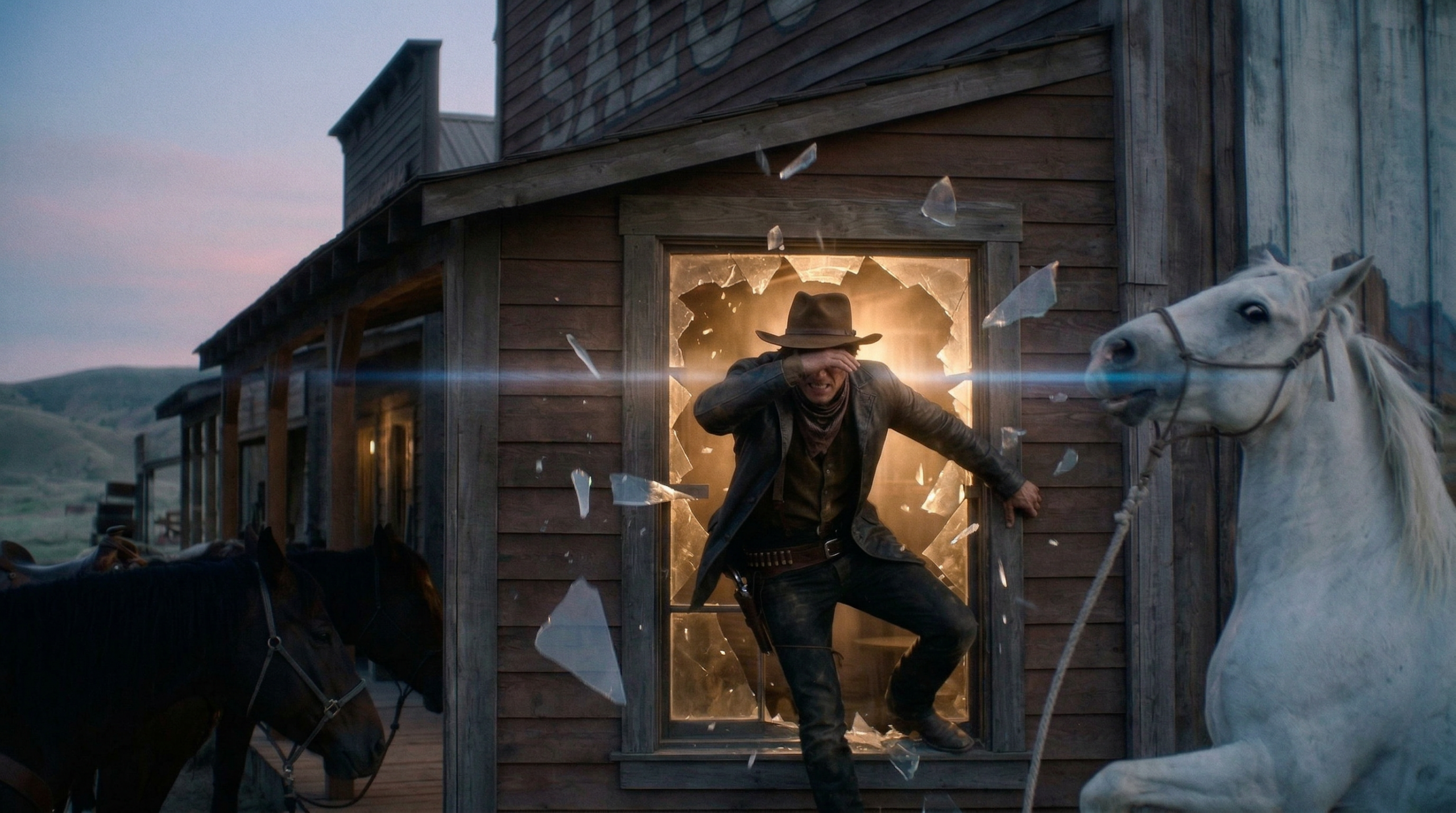
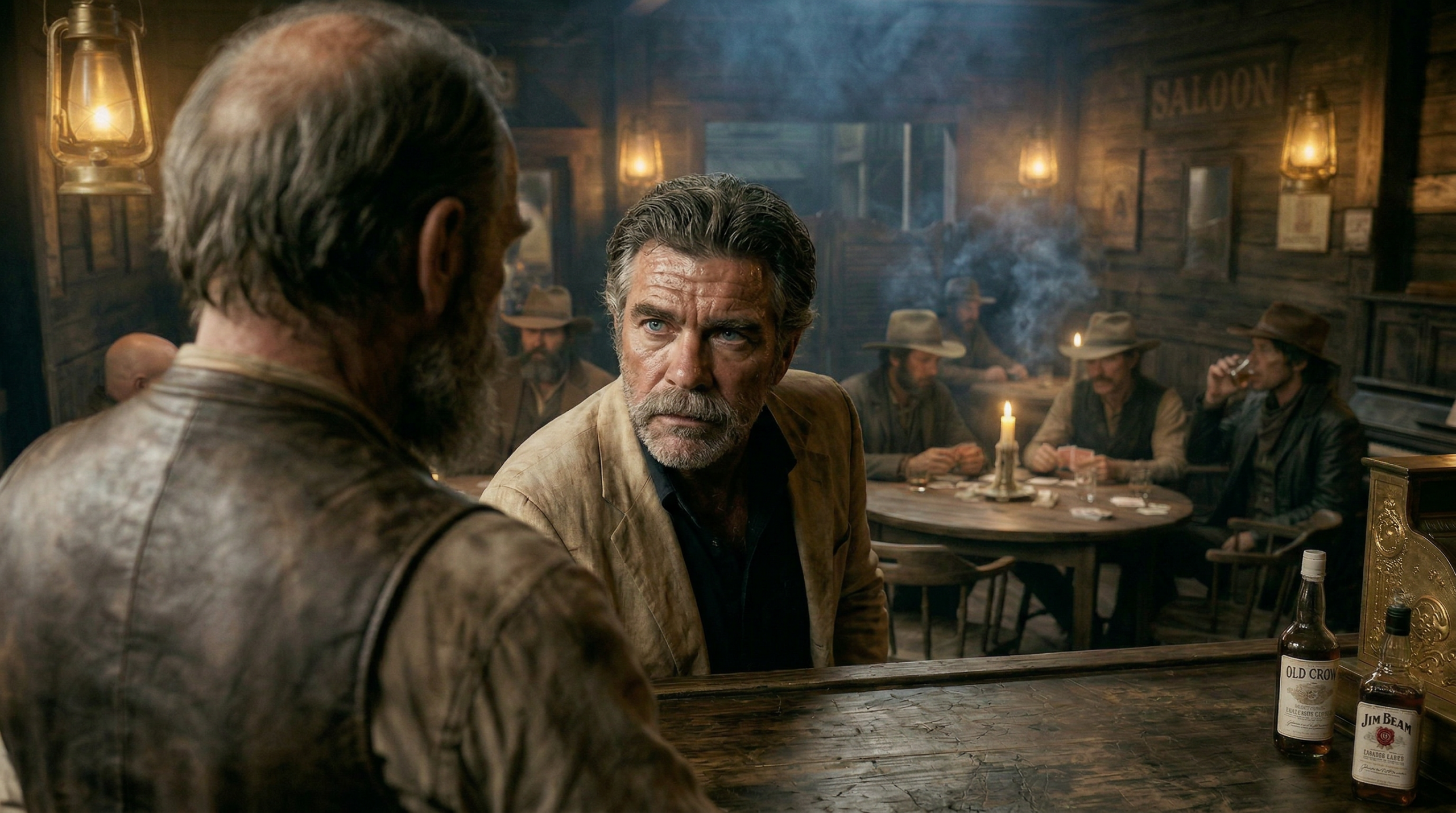
To pay tribute to great cinematic storytelling
We wanted to build our own version of that “story inside a story” energy: a narrator setting up a figure who becomes larger than life before we fully see him for ourselves.
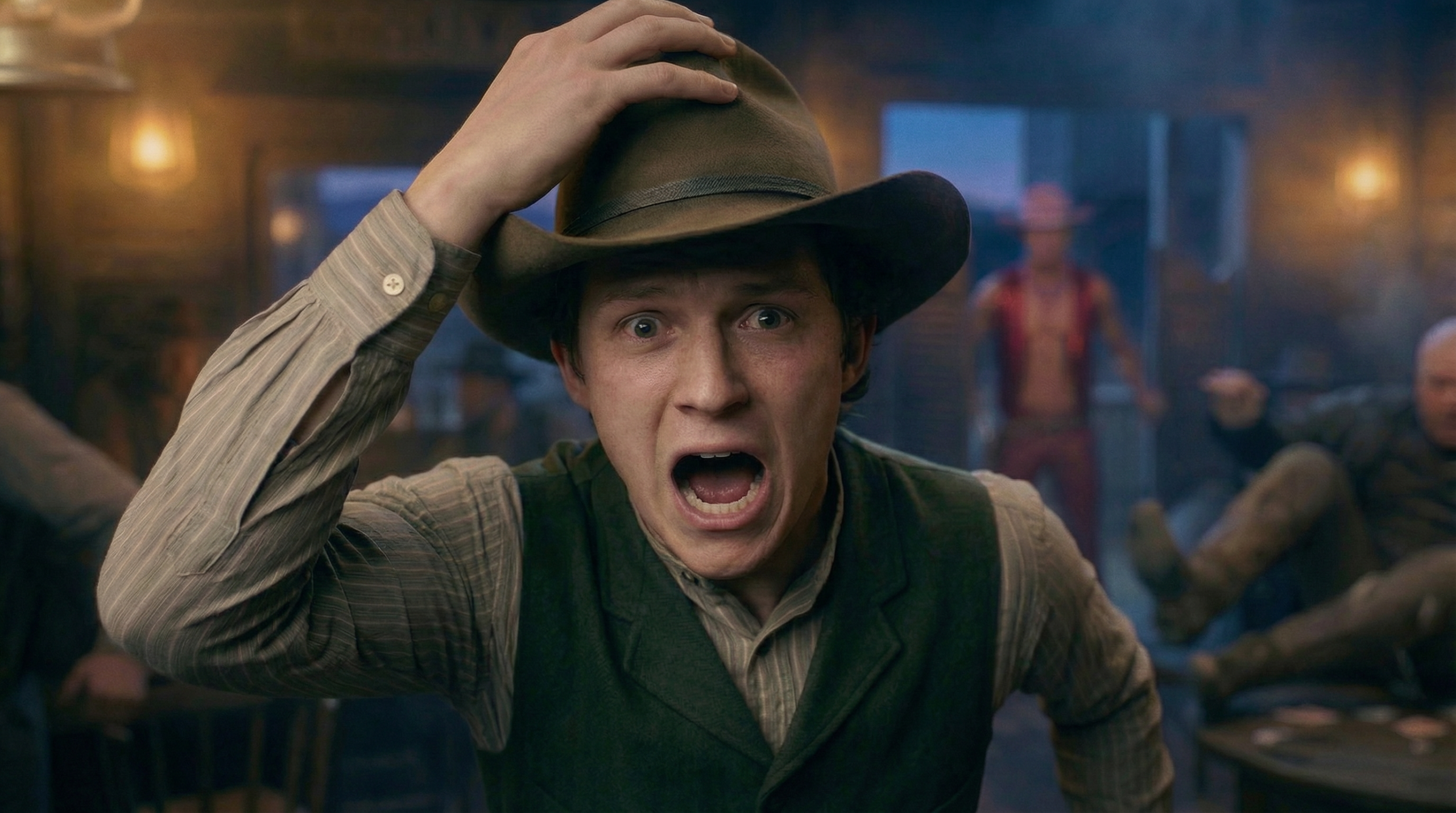
To sharpen our filmmaking craft
Projects like this are also creative training grounds. DRESSPERADO became a way to work on visual continuity, pacing, character consistency, composition, location logic, and the rhythm between storytelling and image.
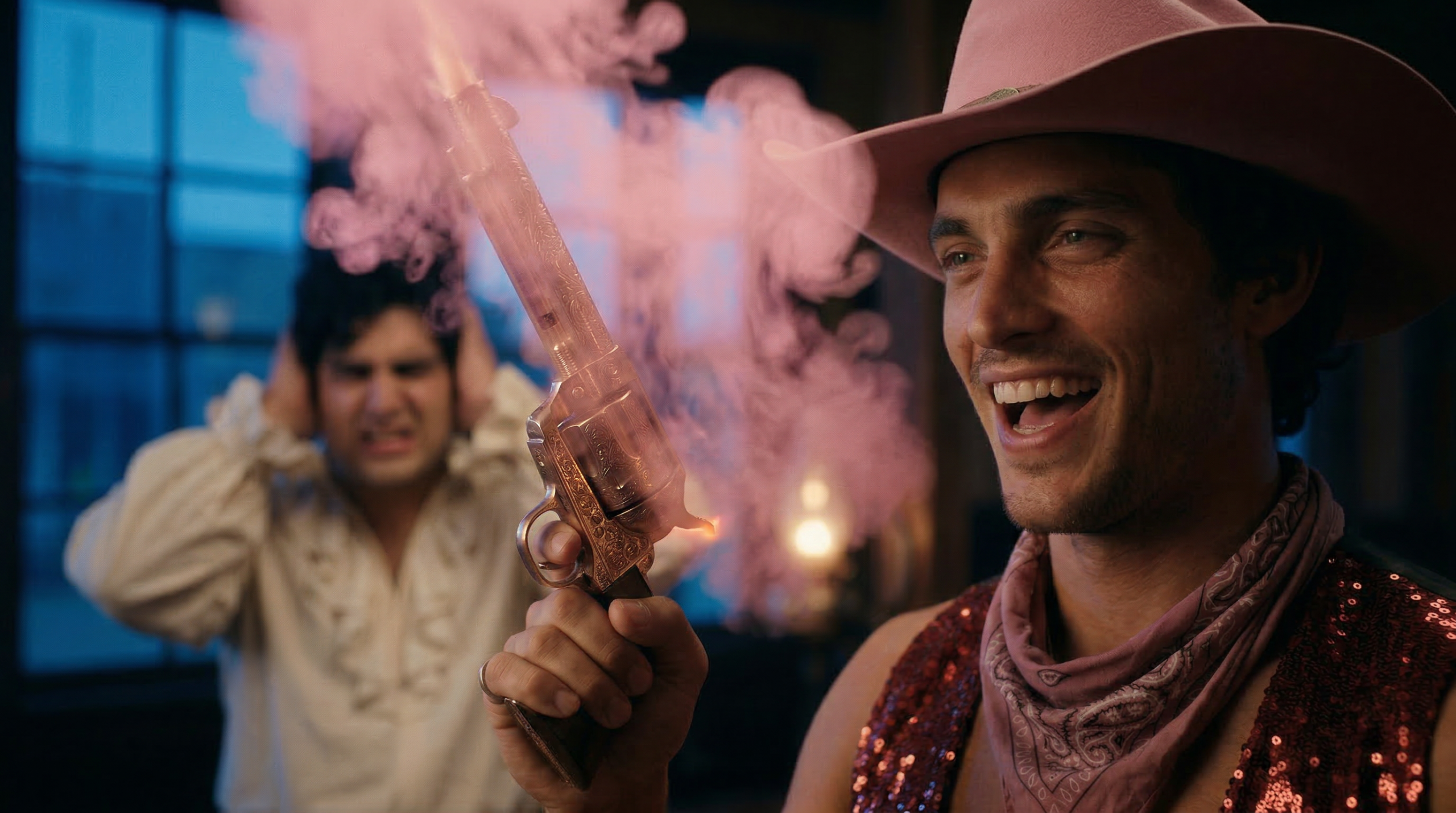
To queer the macho action world
So much of action cinema has historically centered a very rigid kind of masculinity. We wanted to step inside that frame and bend it. Not to mock cinema, but to expand it.
We wanted to pay tribute to one of the greatest storytelling openings in action cinema, sharpen our filmmaking craft, and bring a queer twist to a world movies have too often imagined as only macho.
Writing the script
A Story inside a Story.
The screenplay began not with plot, but with tone and framing.
We knew we wanted:
-
- A storyteller figure.
- A saloon audience.
- The feeling of legend spreading through a hostile room.
- A central figure whose very existence unsettles that world.
- Comedy, but with craft.
- Exaggeration, but with control.
That meant the script had to work on two levels at once.
On one level, it had to be entertaining and heightened, with strong visual beats and memorable lines.
On another, it had to function as a real piece of cinematic storytelling: a carefully staged introduction to a world, a set of characters, and a hero whose image arrives before his full story does.
Because of that, the writing process was never just about dialogue. It was also about rhythm, scene escalation, and visual imagination.
Storyboarding as production acceleration
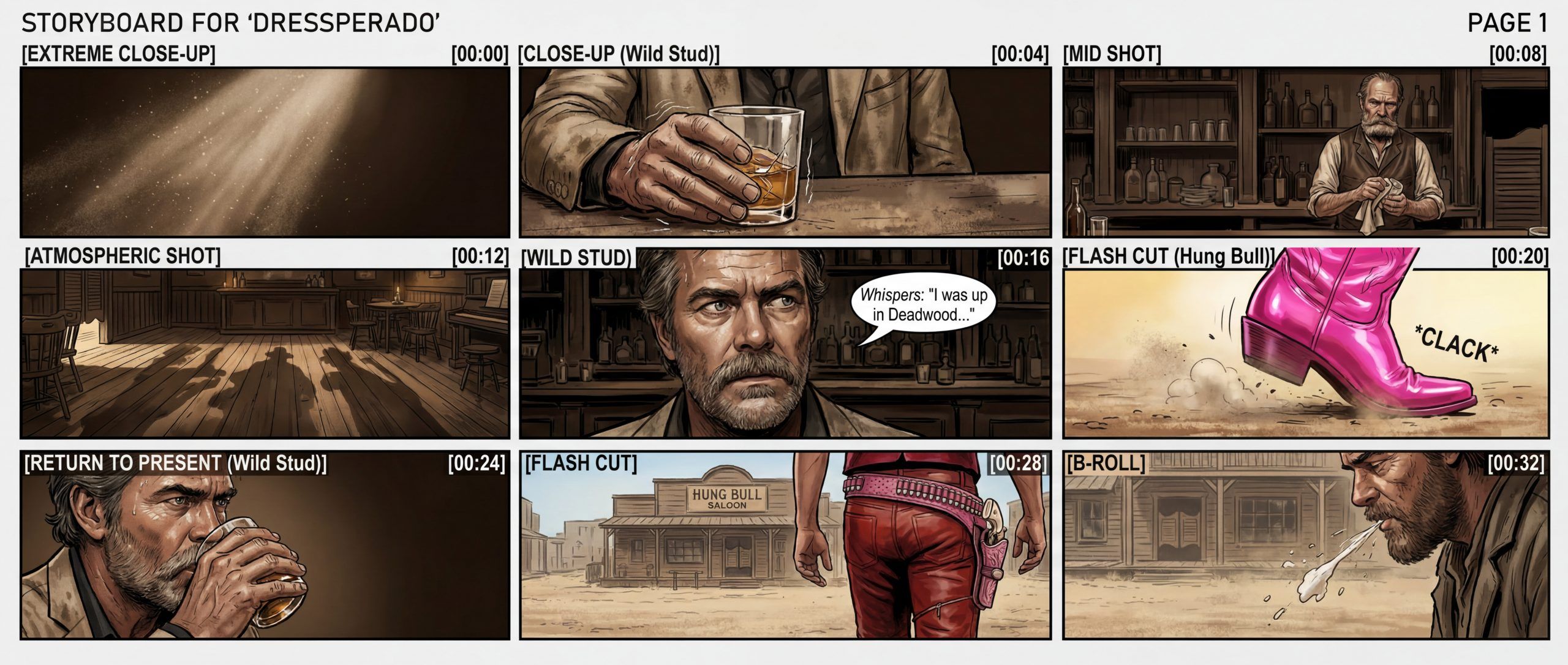
Page 1
Dressperado Storyboard – Page 1
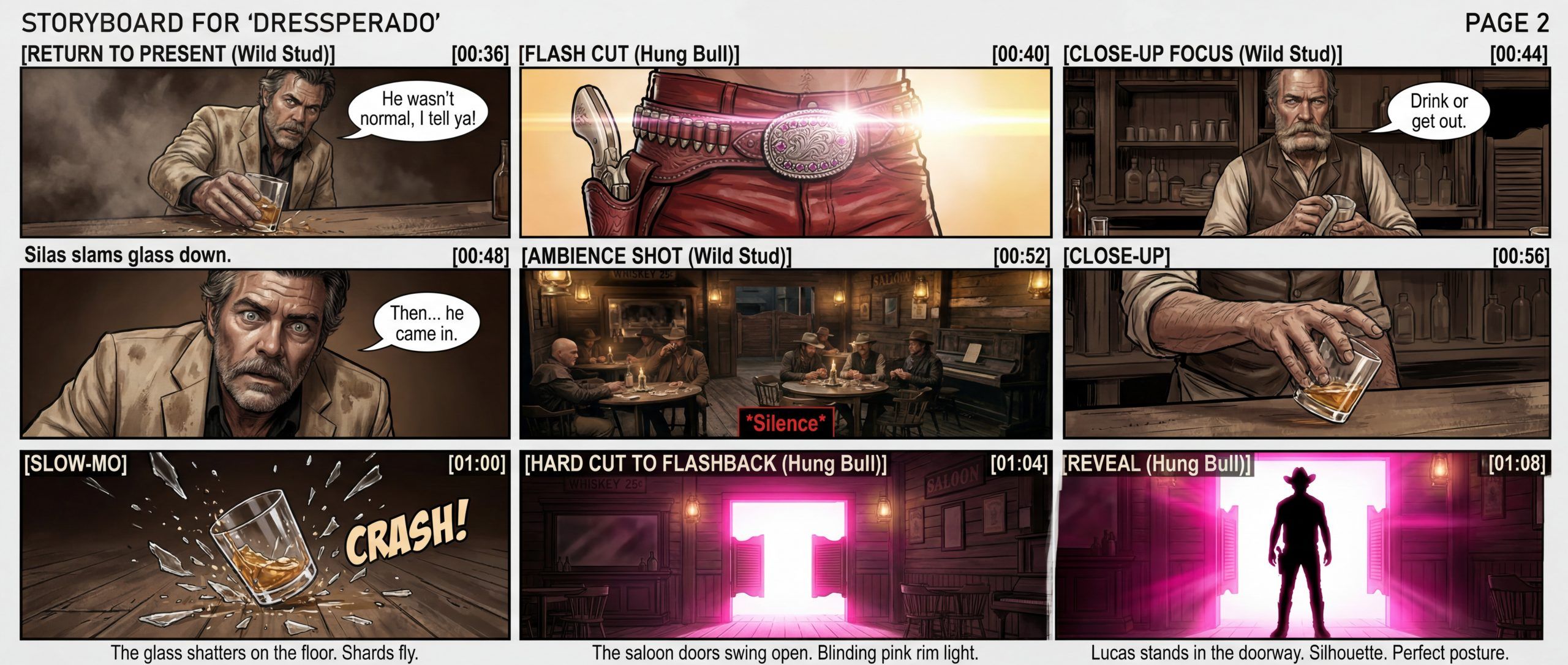
Page 2
Dressperado Storyboard – Page 2
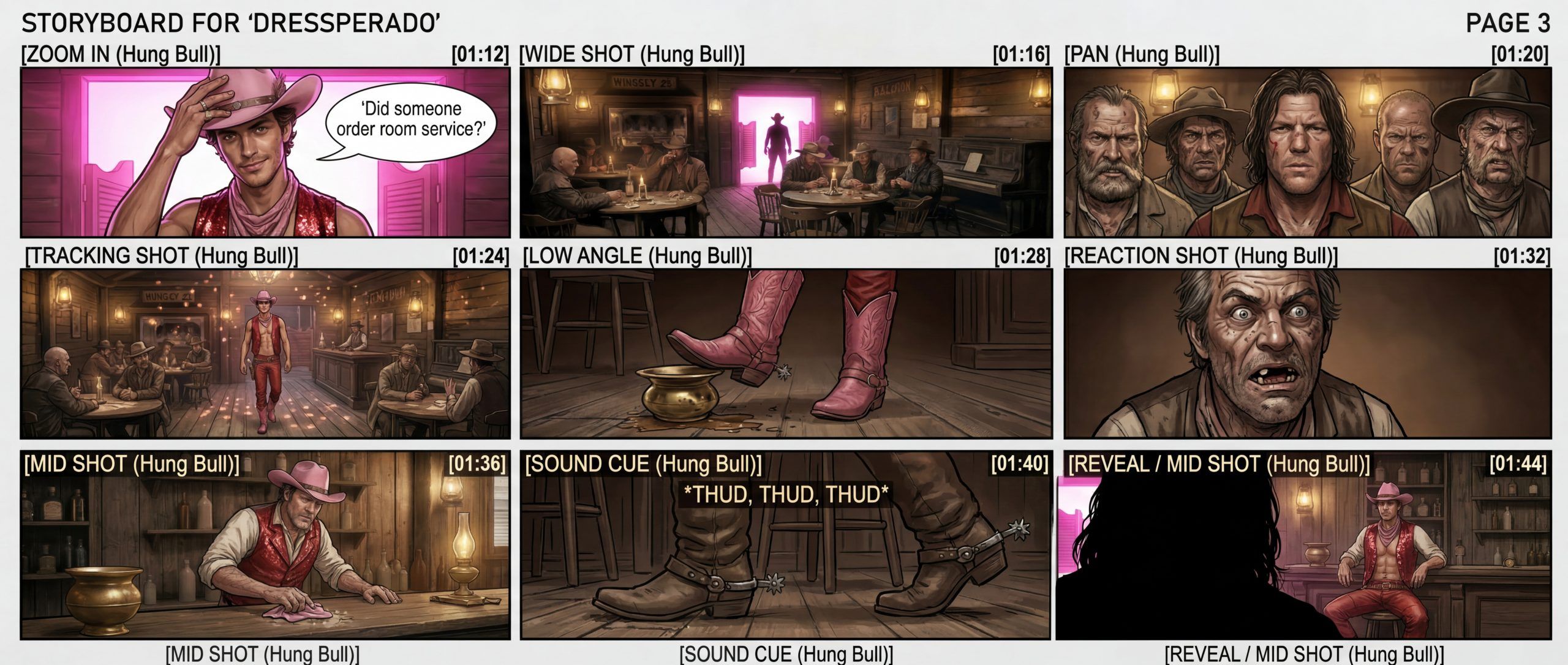
Page 3
Dressperado Storyboard – Page 3
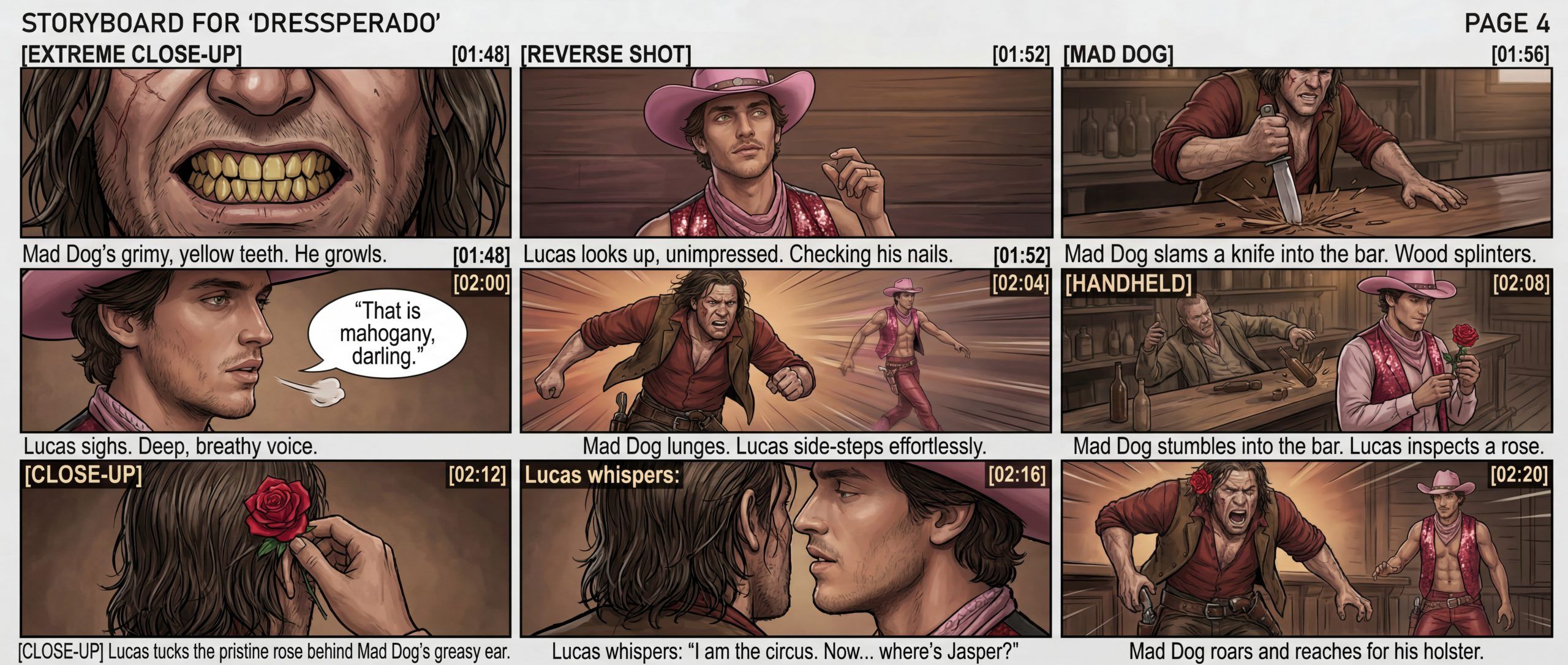
Page 4
Dressperado Storyboard – Page 4
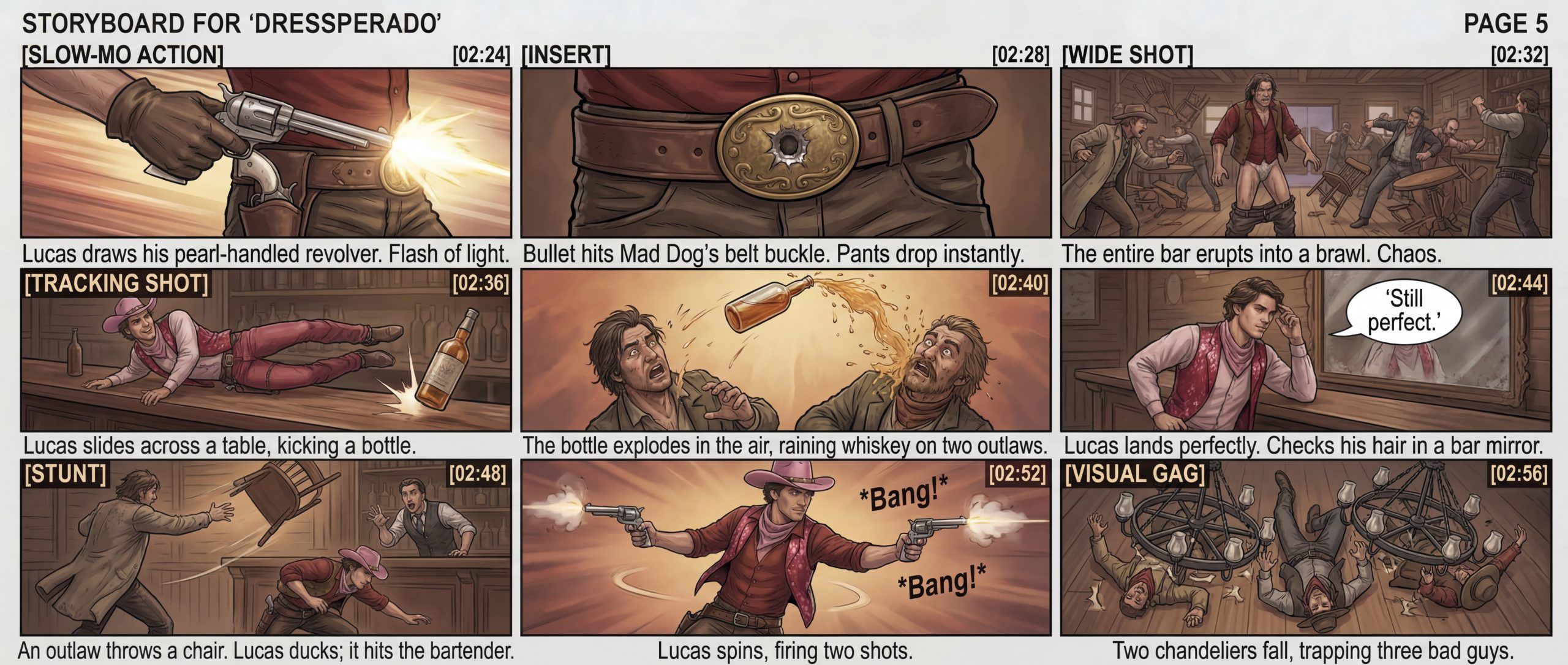
Page 5
Dressperado Storyboard – Page 5
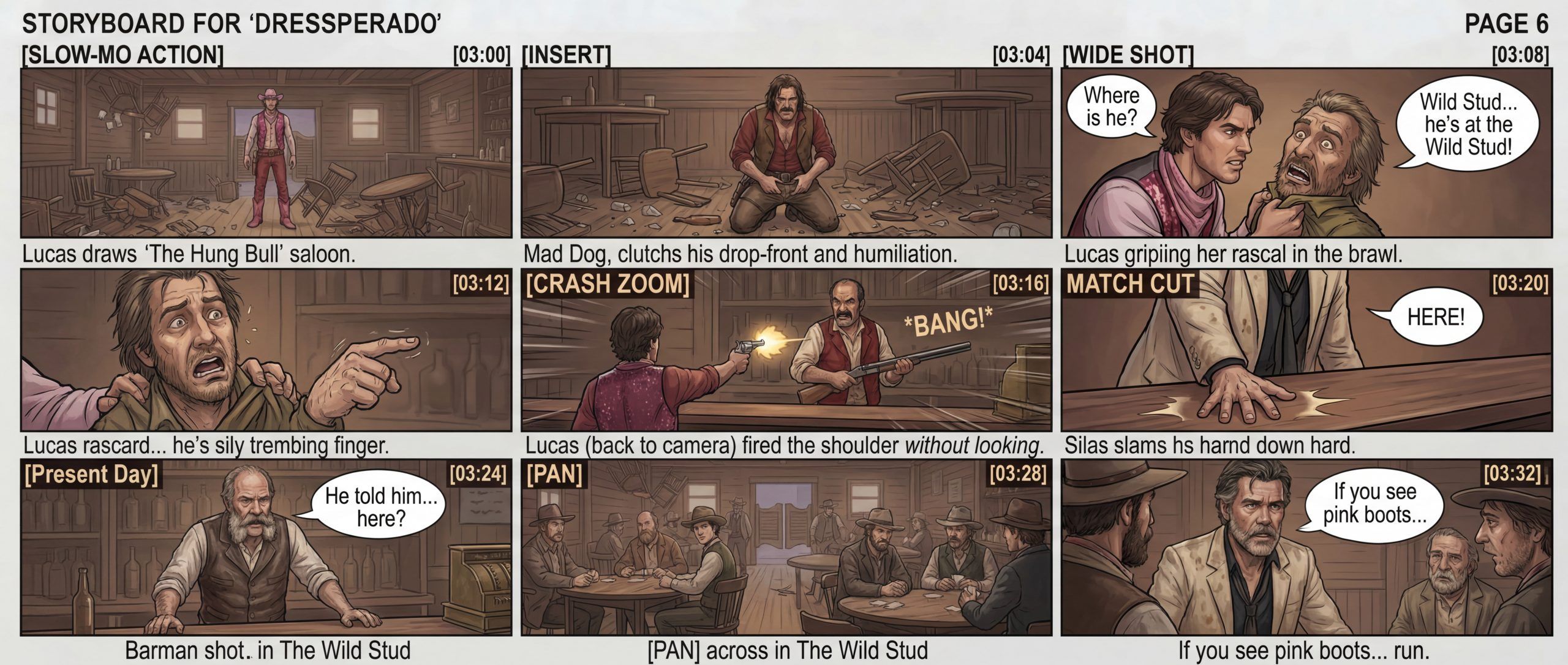
Page 6
Dressperado Storyboard – Page 6
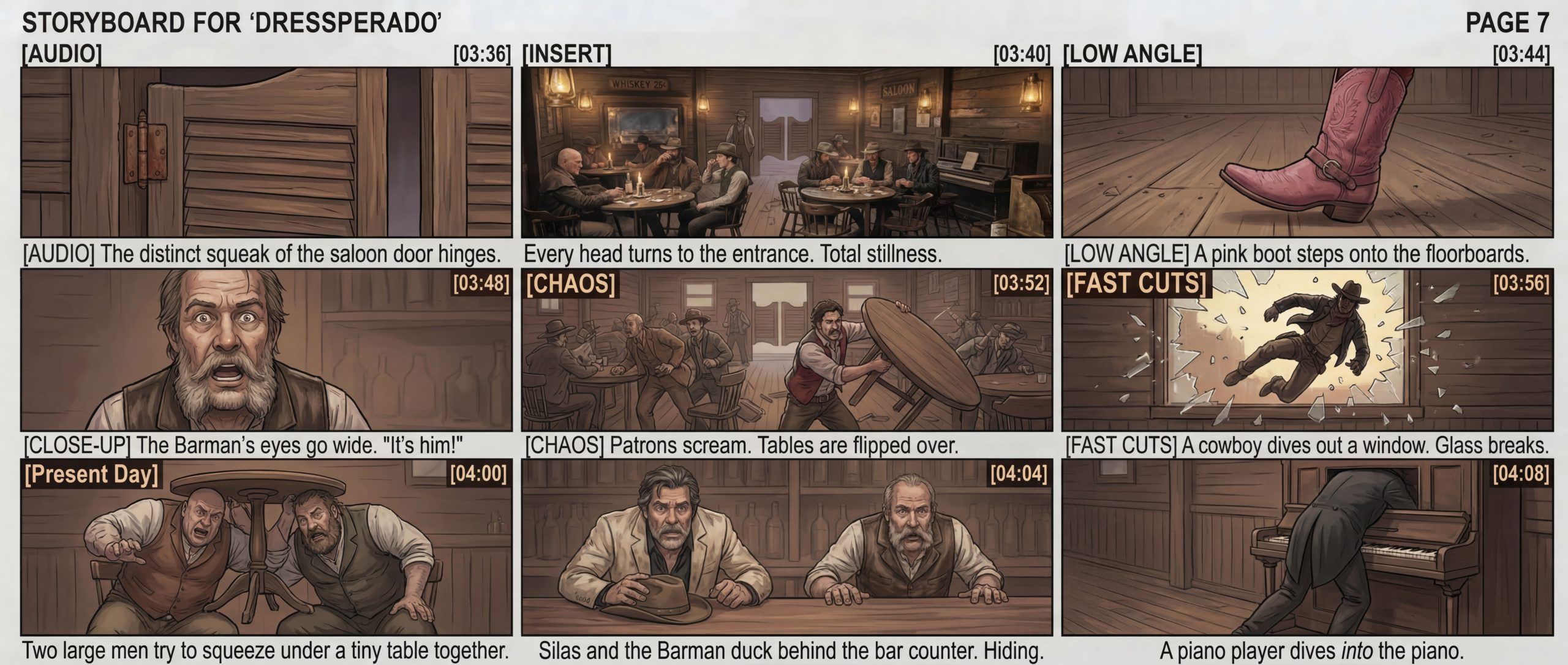
Page 7
Dressperado Storyboard – Page 7
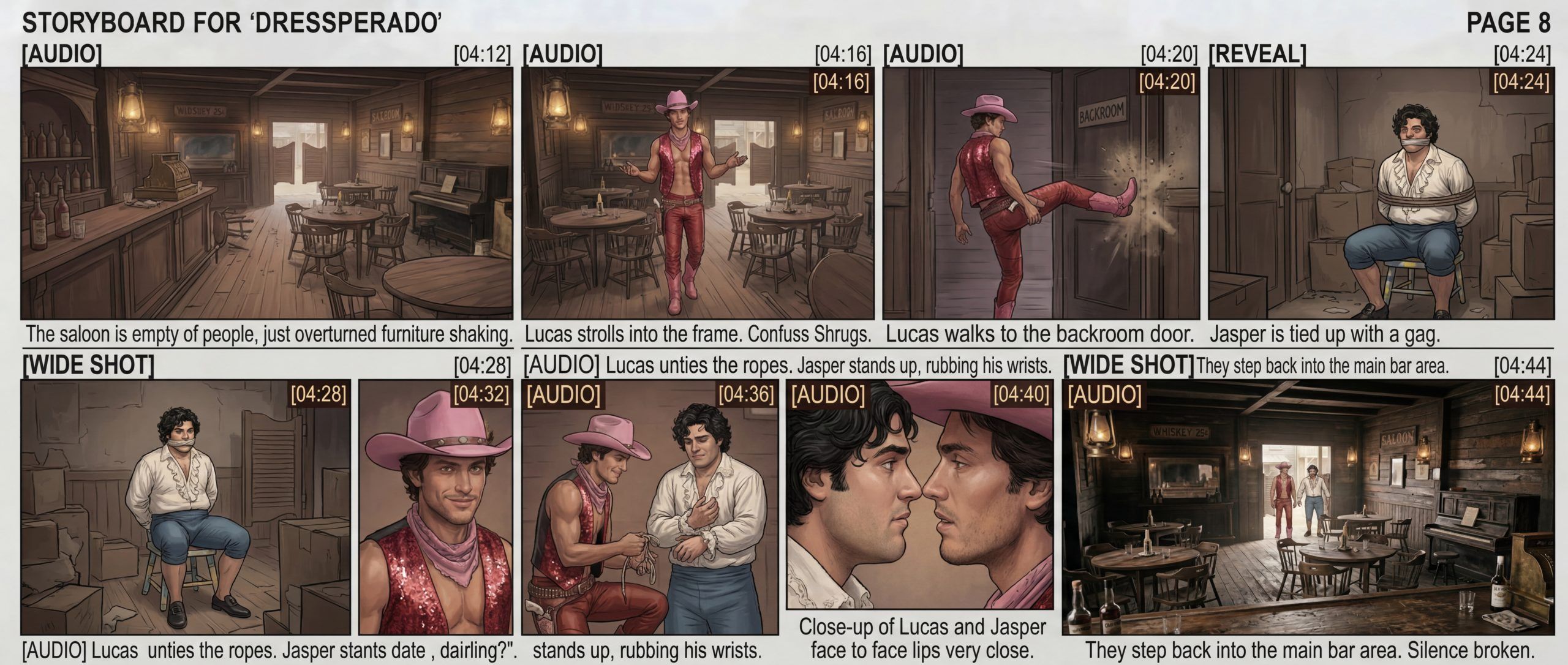
Page 8
Dressperado Storyboard – Page 8
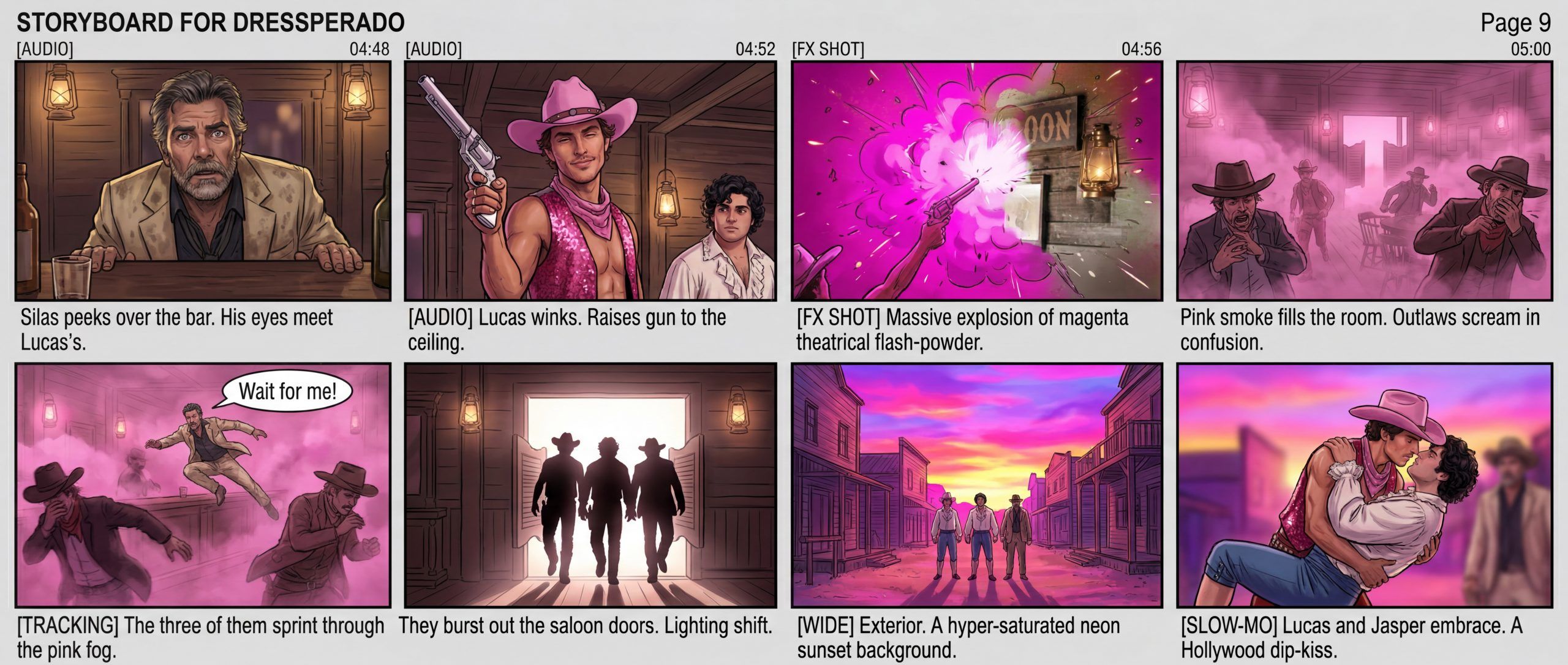
Page 9
Dressperado Storyboard – Page 9
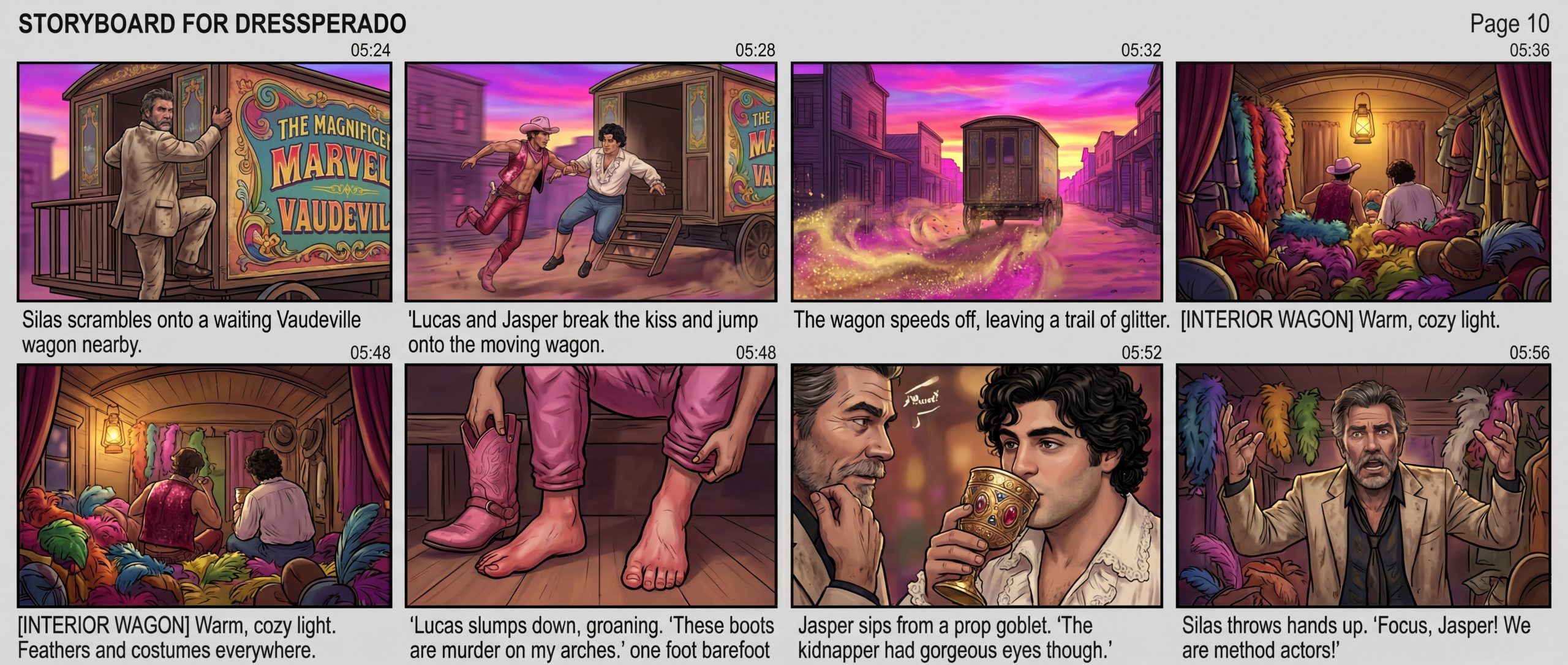
Page 10
Dressperado Storyboard – Page 10
Designing the characters
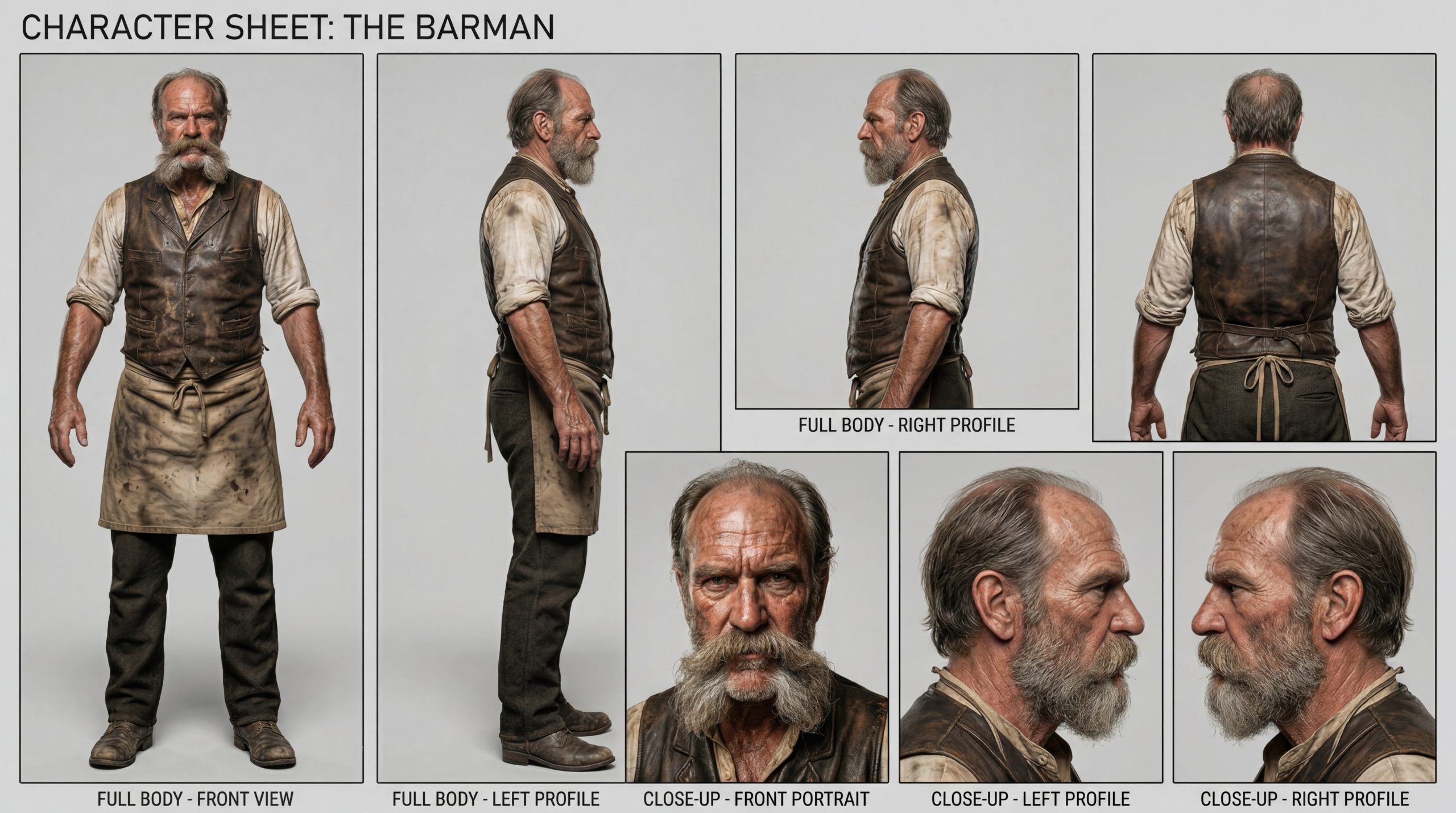
The barman, for example, had to feel like a man who had seen everything and survived long enough to stop being surprised by most of it.
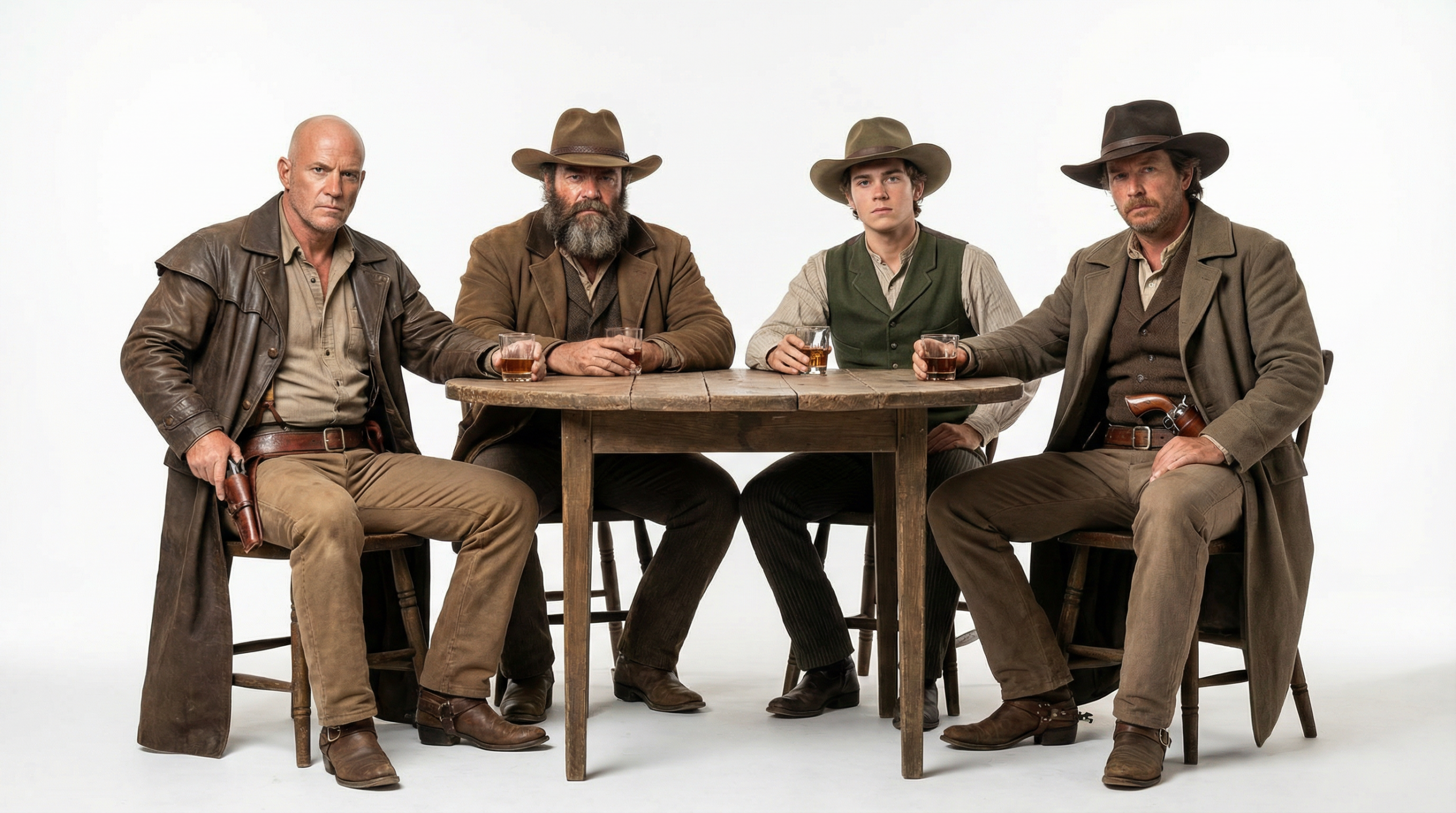
Wild Stud Patrons 1

Wild Stud Patrons 2
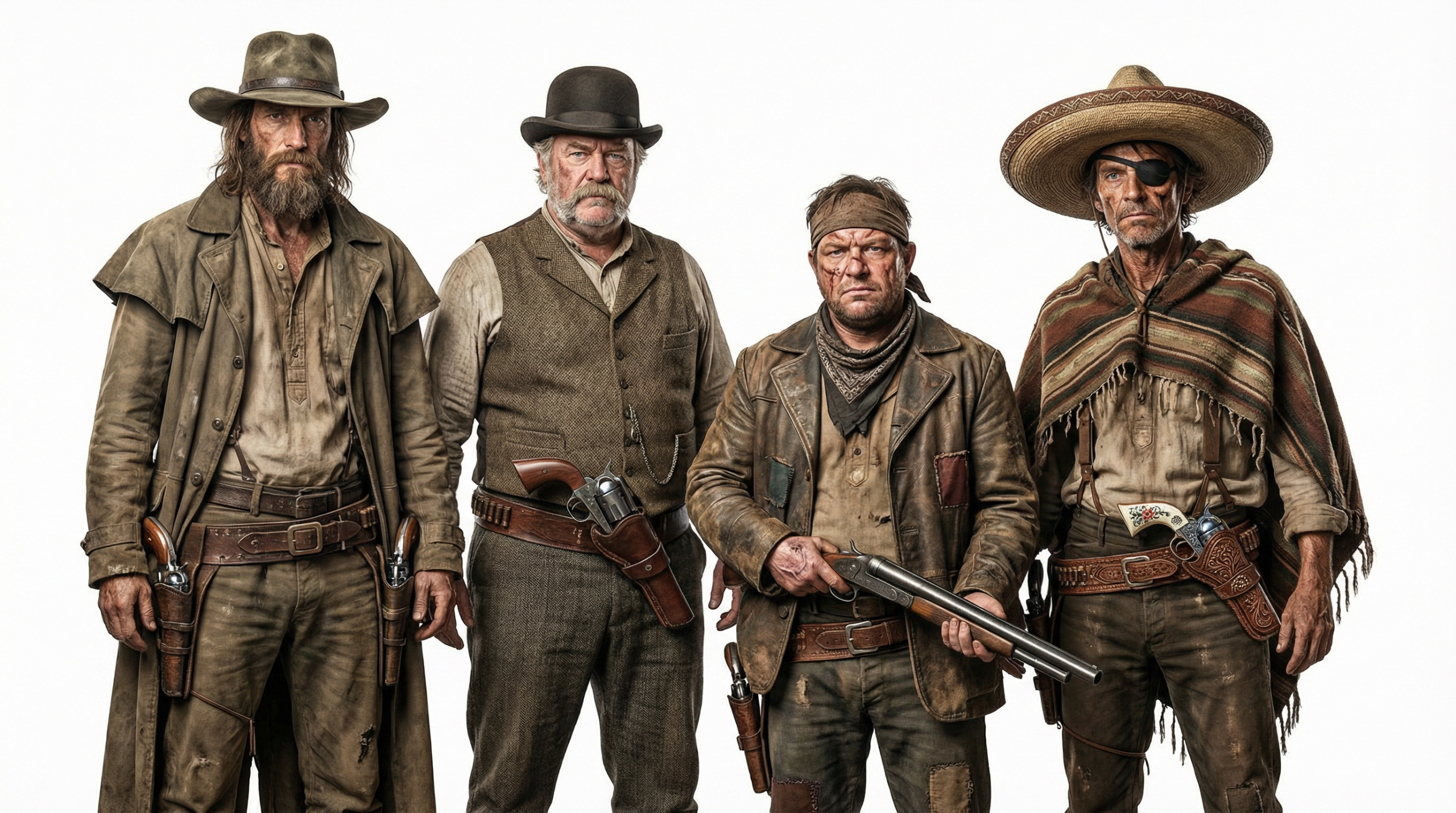
Hung Bull Patrons 1

Hung Bull Patrons 2
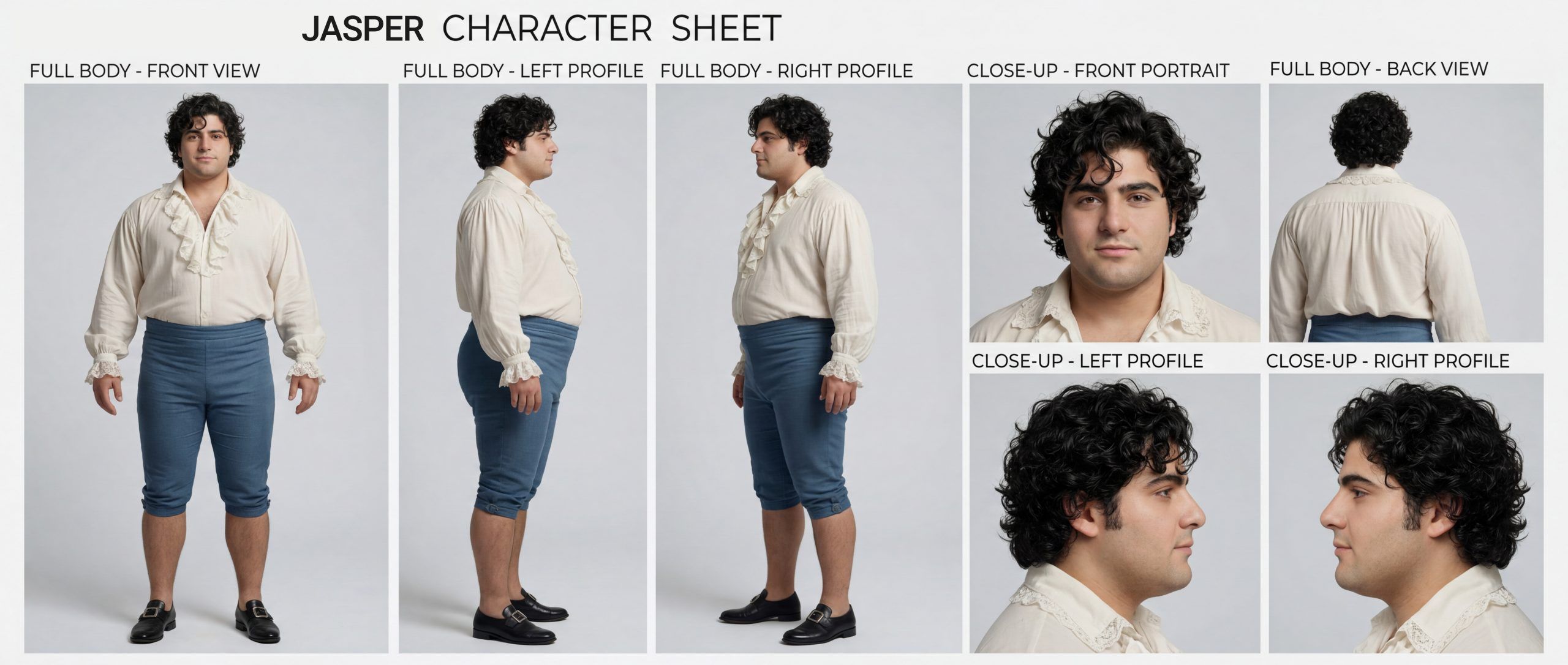
Jasper – The «Not-So» Victim
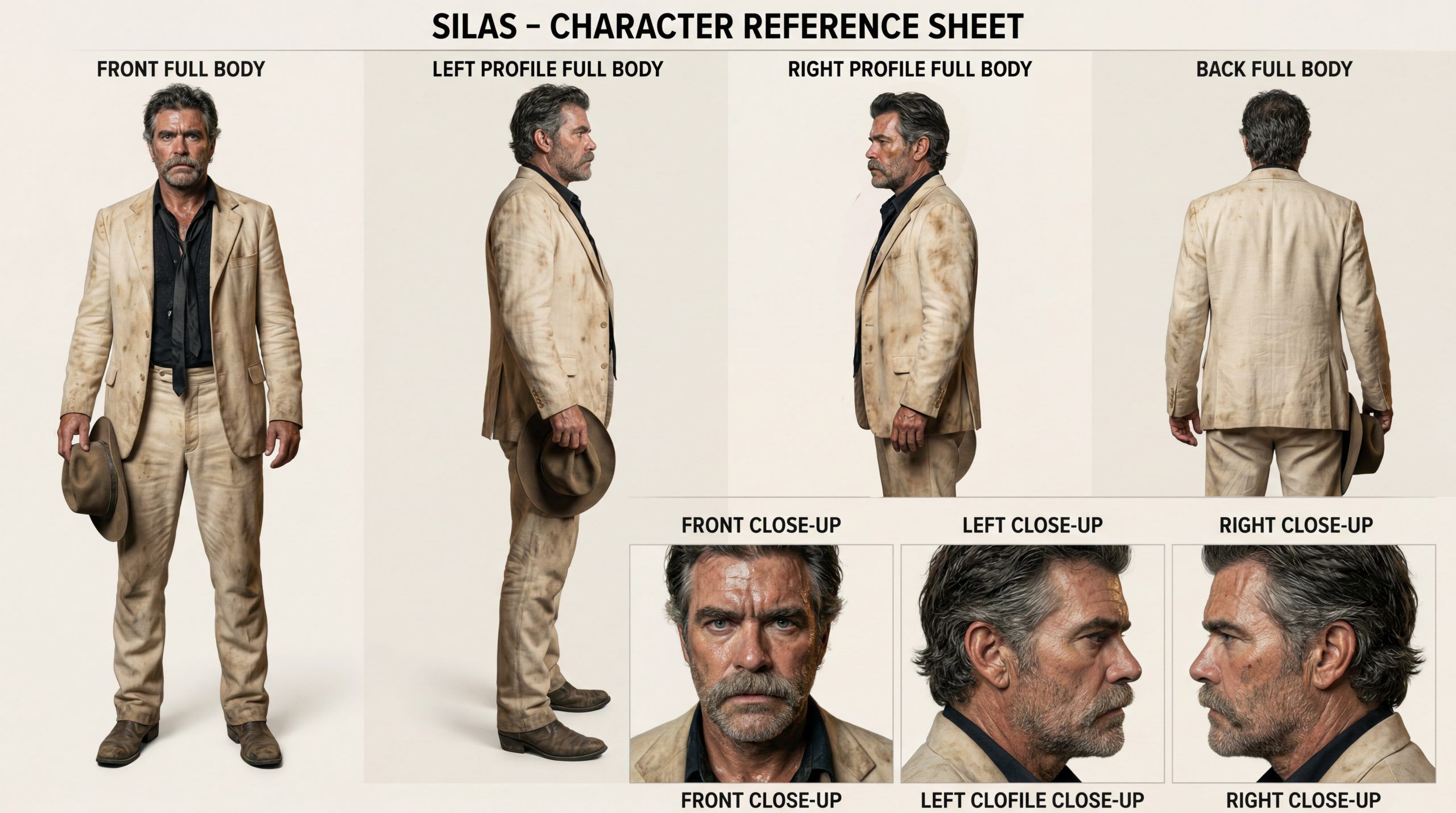
Silas – The Storyteller
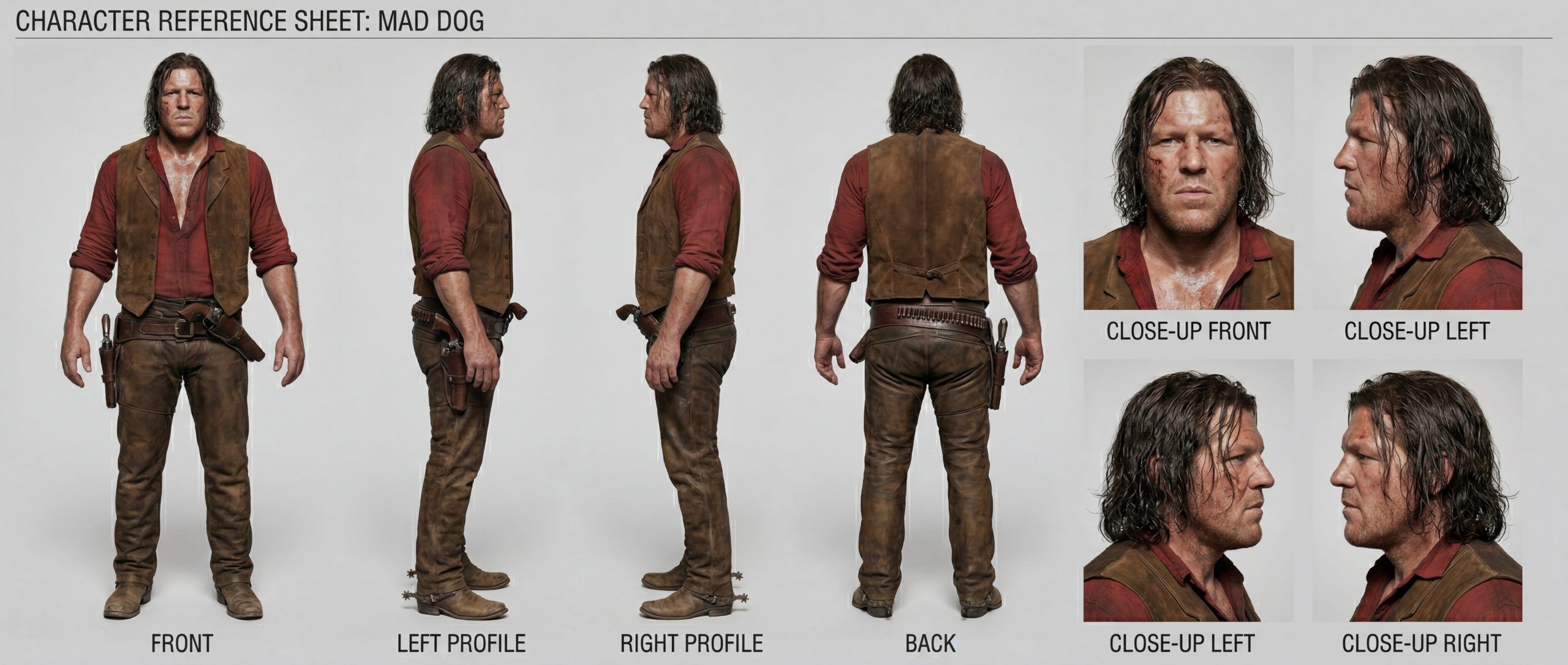
Mad Dog
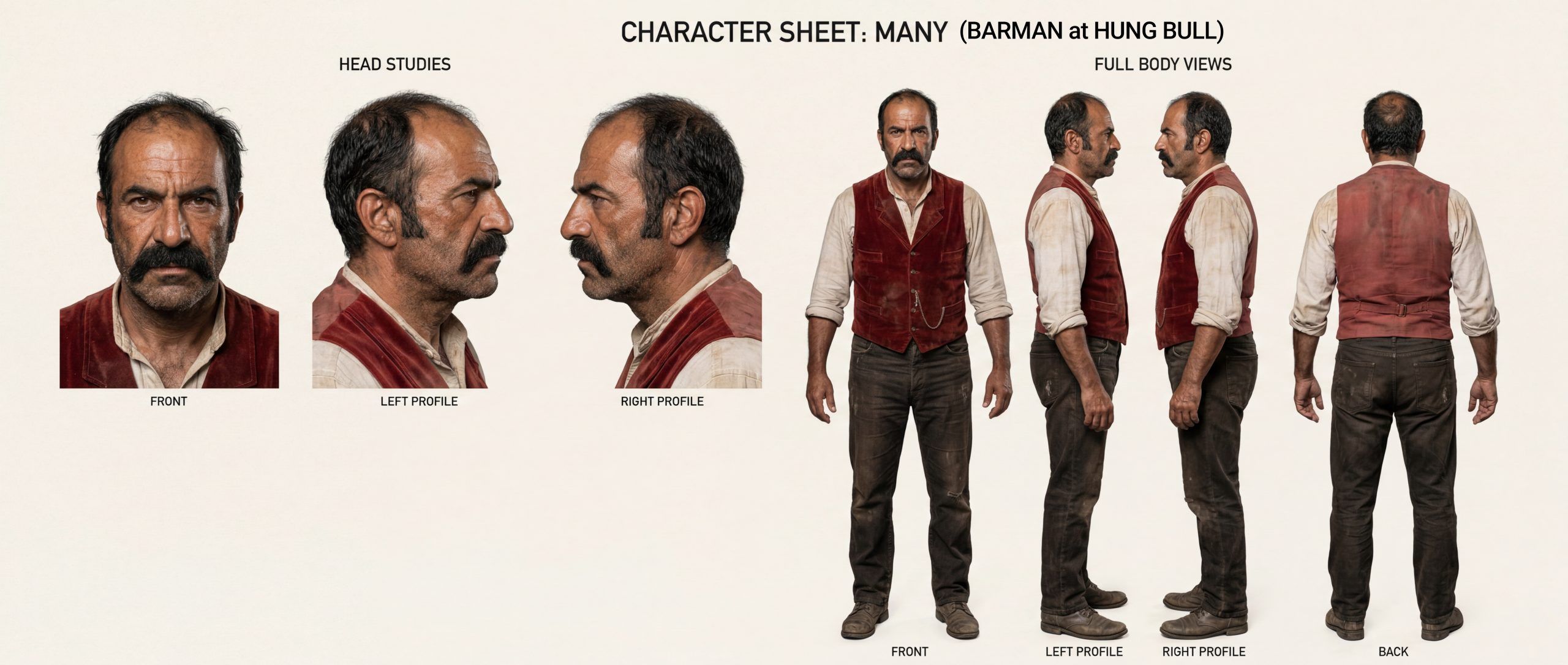
Hung Bull Barman
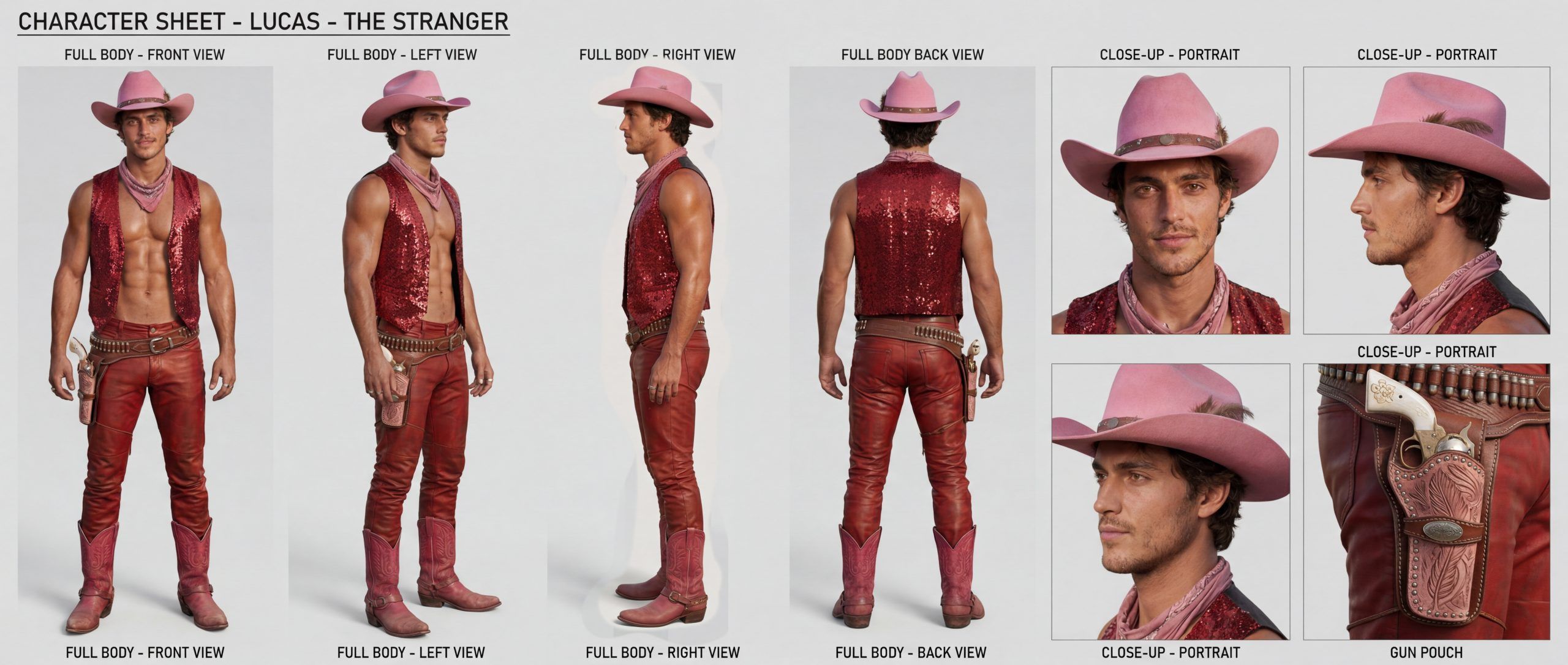
Lucas: the stranger as disruption
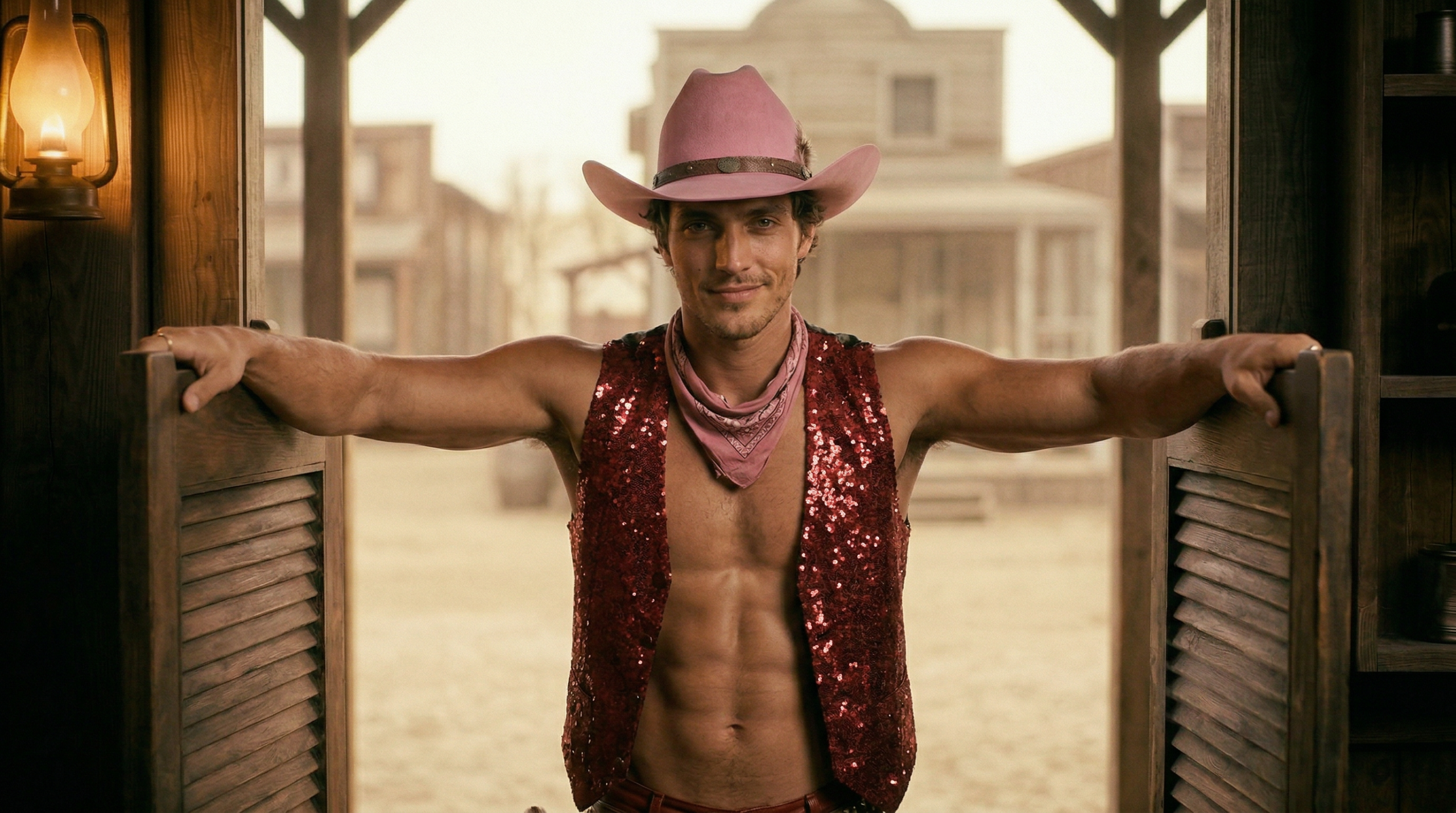
Lucas
Lucas Entering the Hung Bull
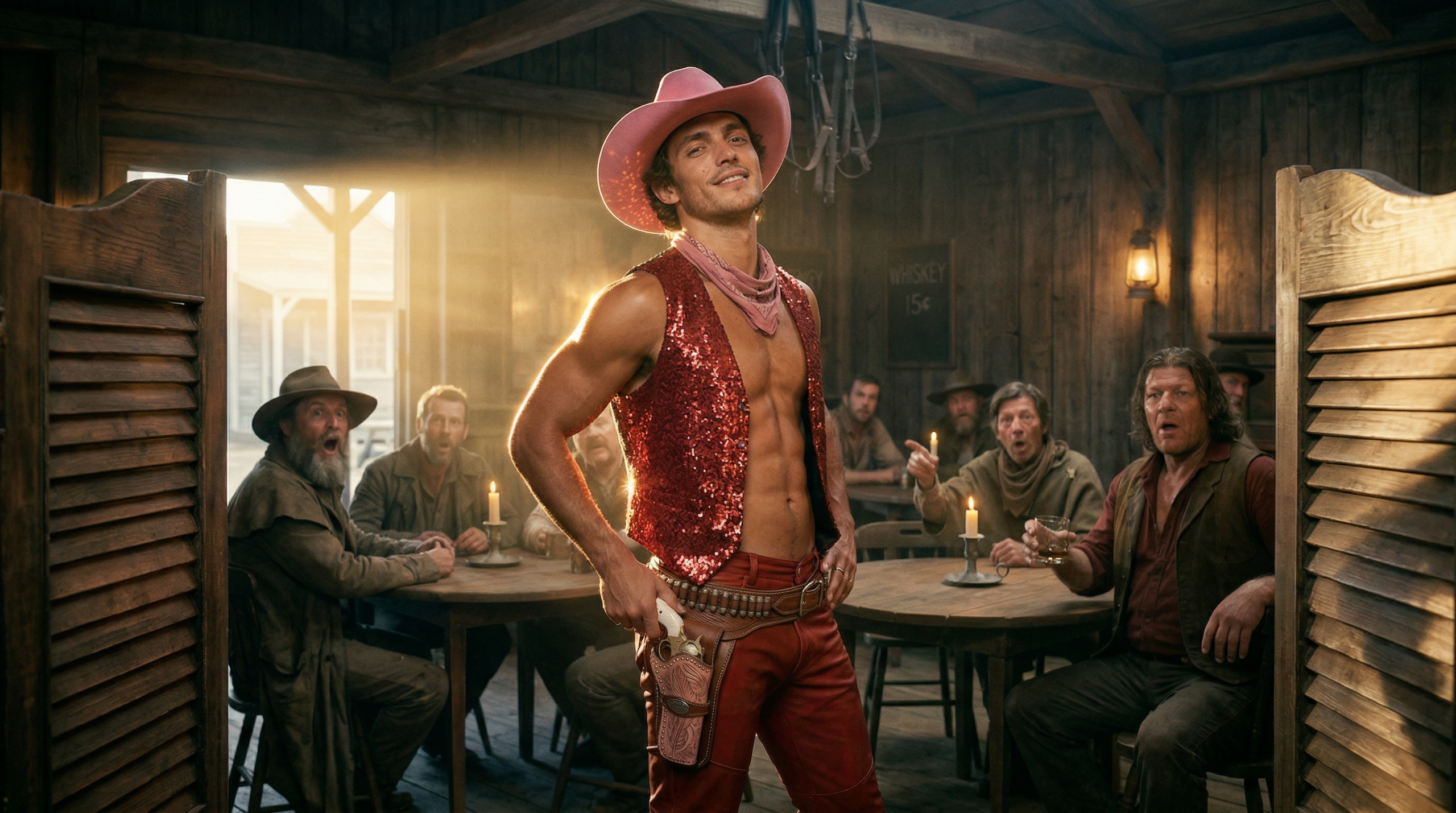
Lucas
Lucas The Target of Attention
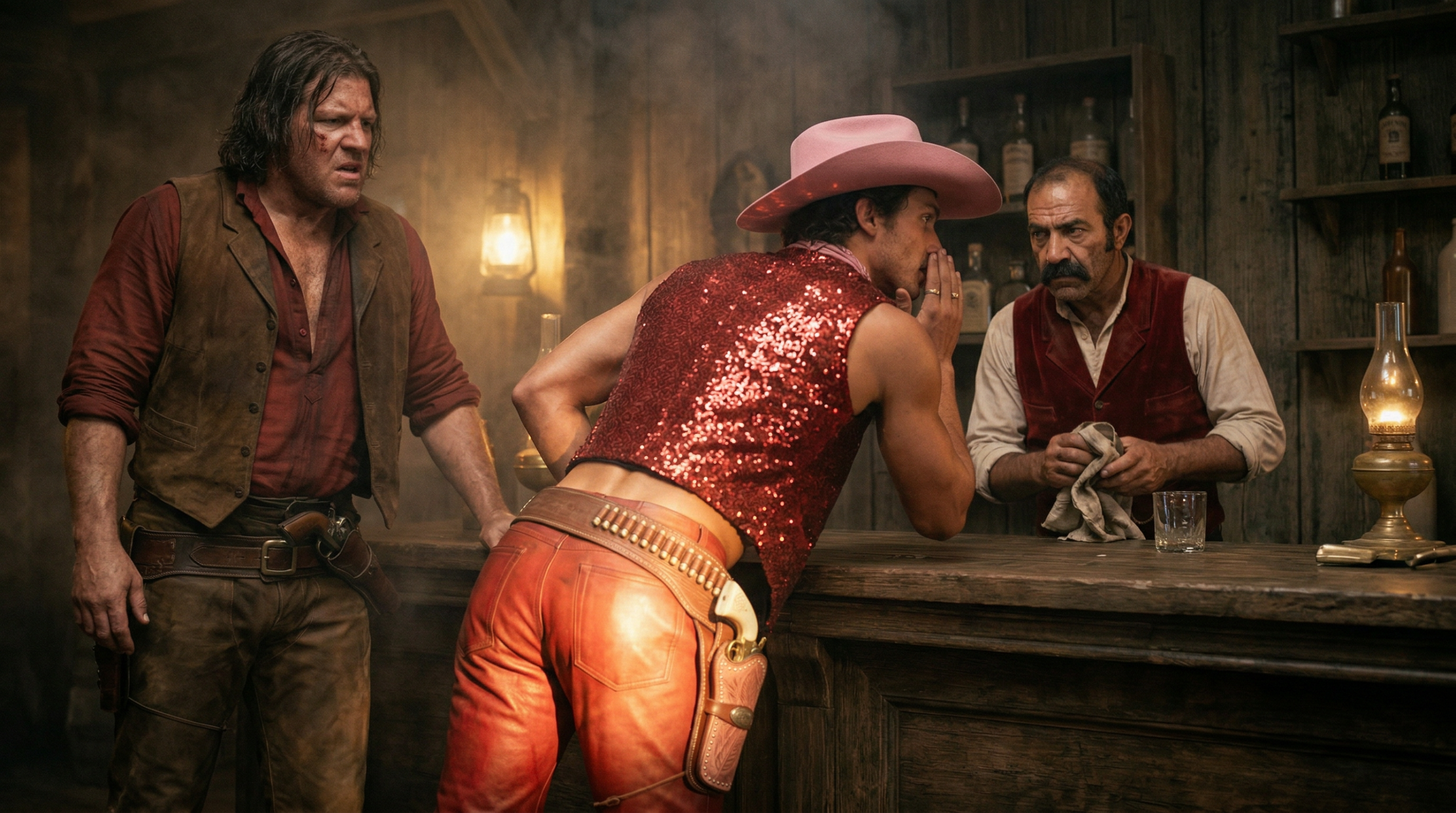
Lucas
Lucas Being Checked Out
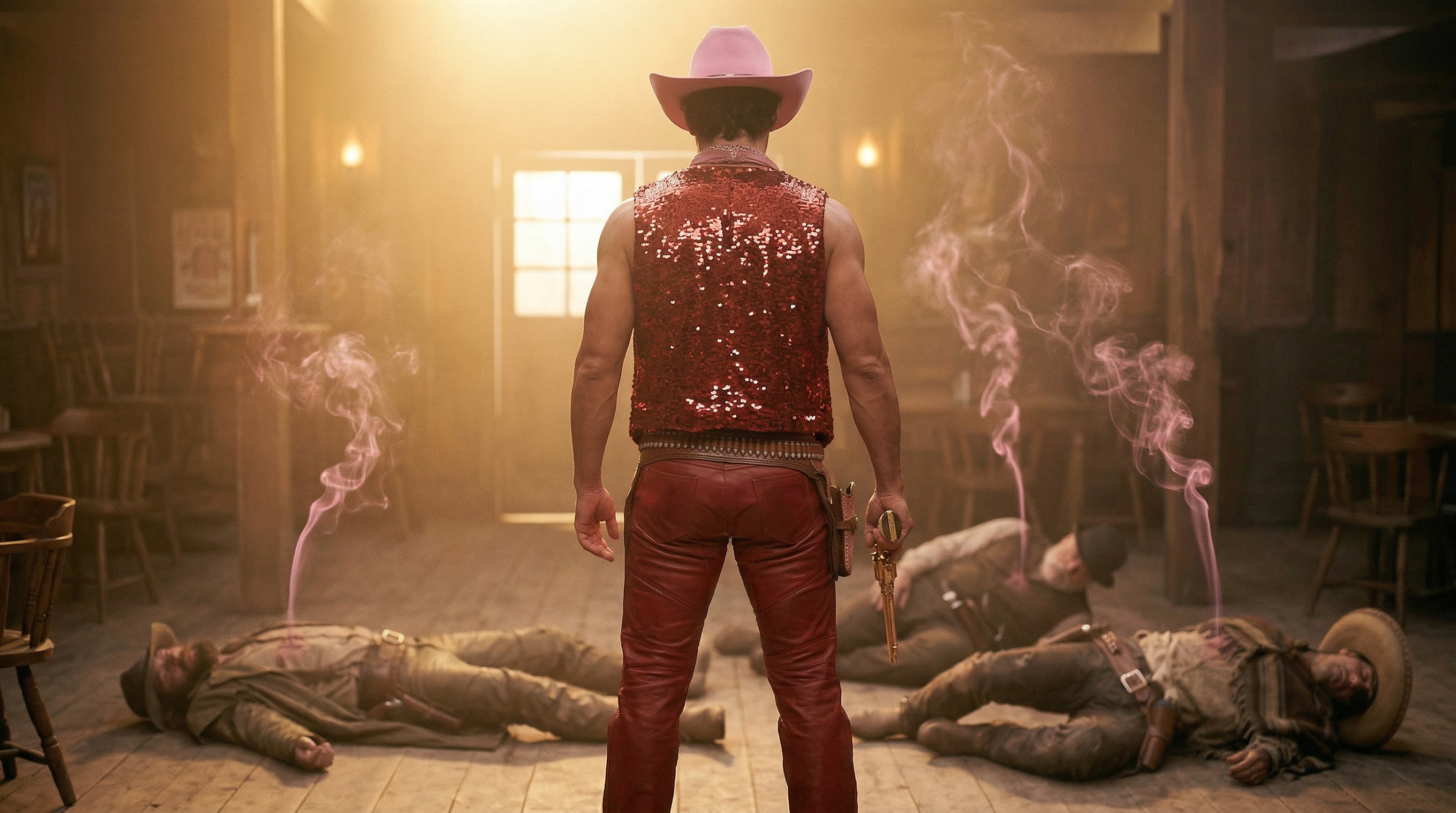
Lucas
Lucas The Fastest Queer in The Frontier
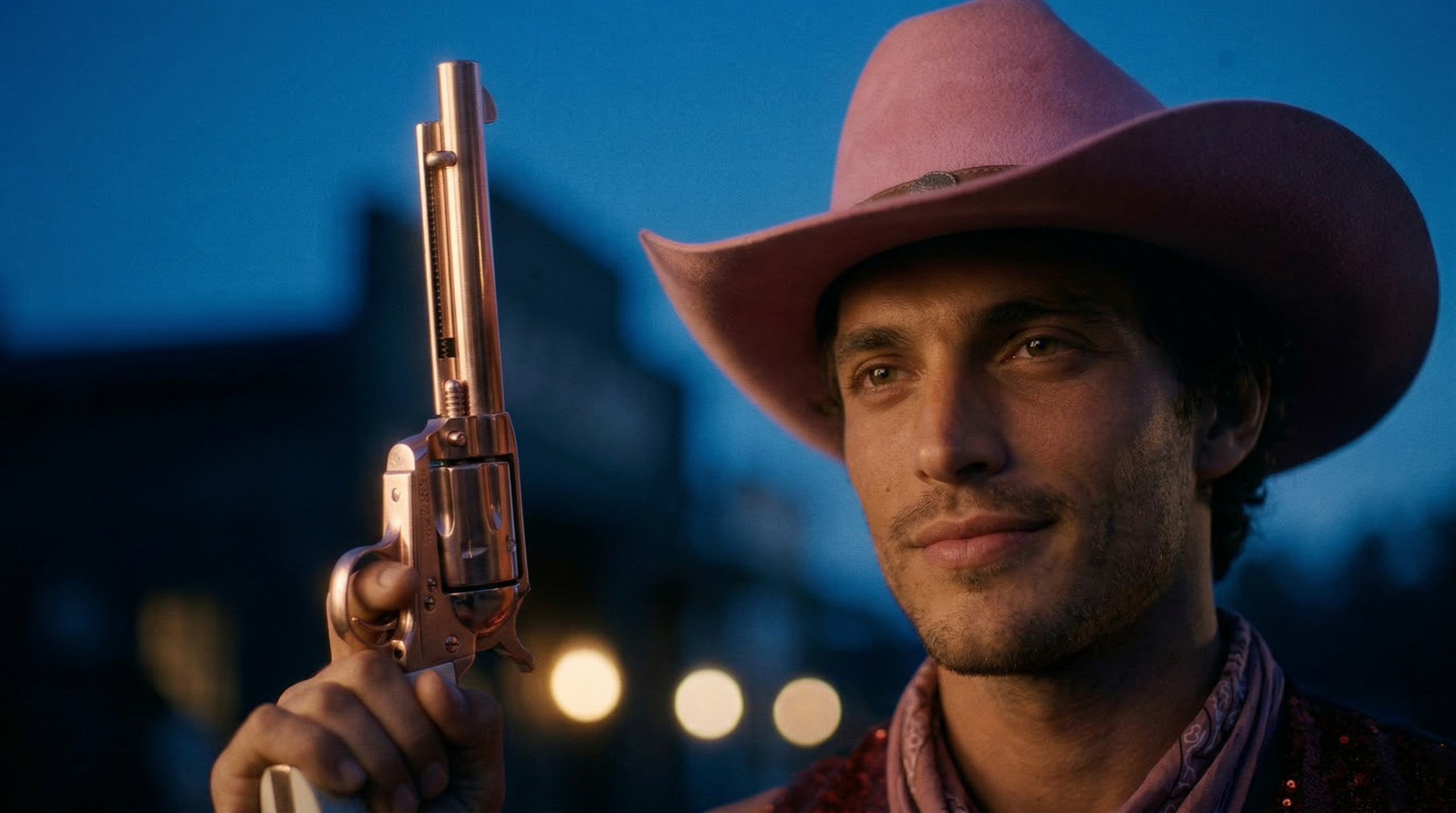
Lucas
Lucas Cinematic Poster
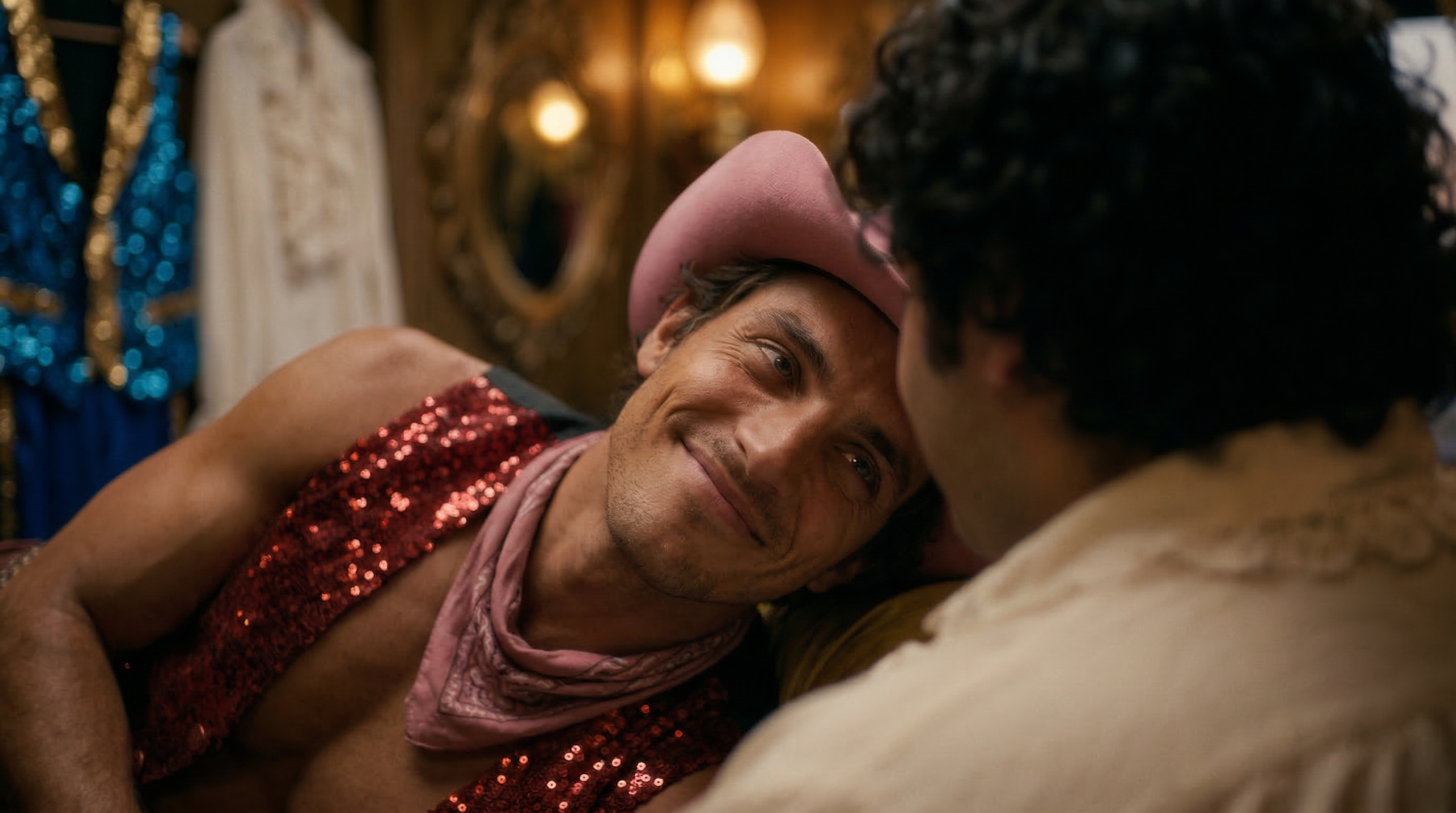
Lucas
Lucas Loving Jasper
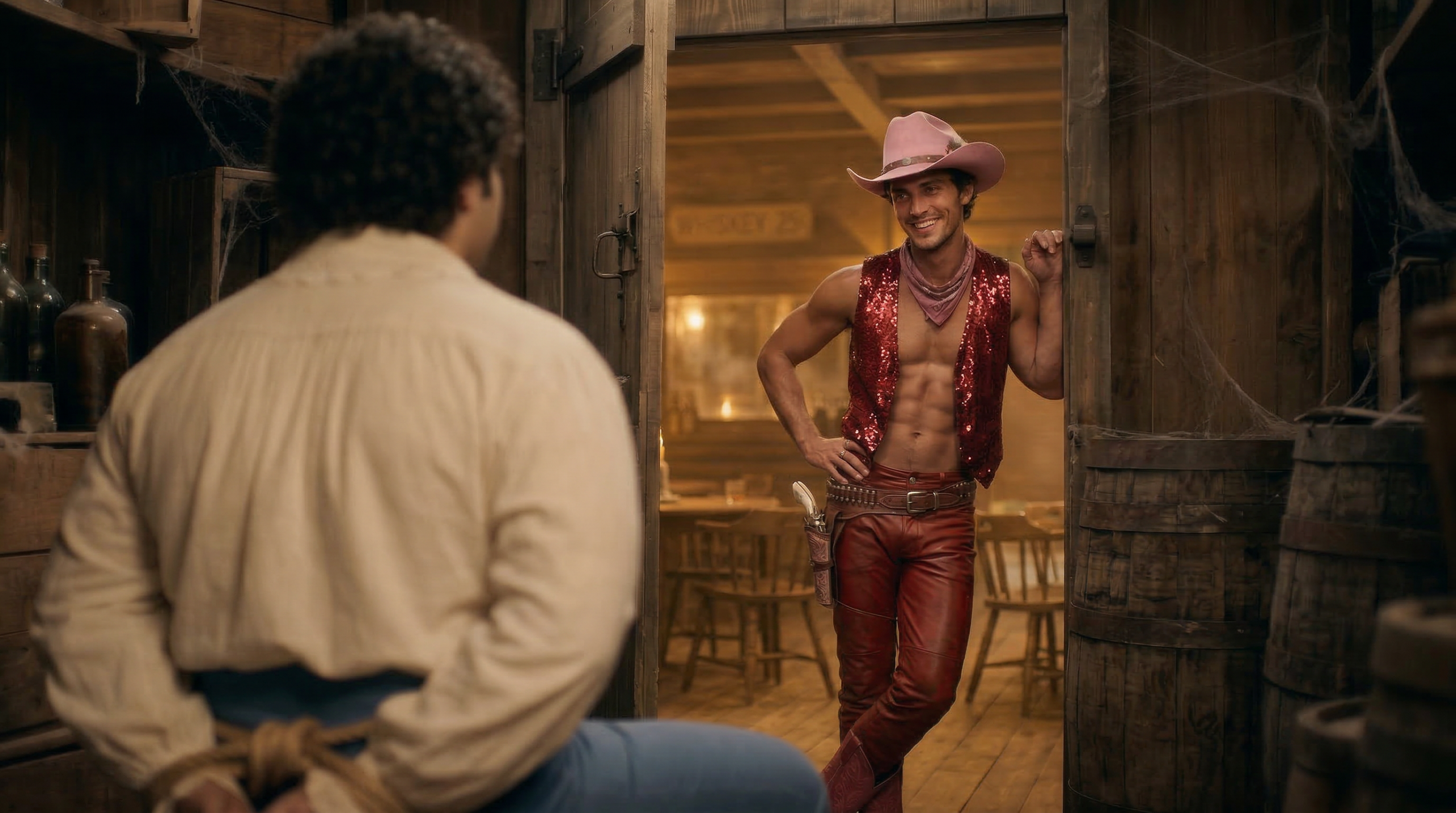
Lucas
Lucas Arrives
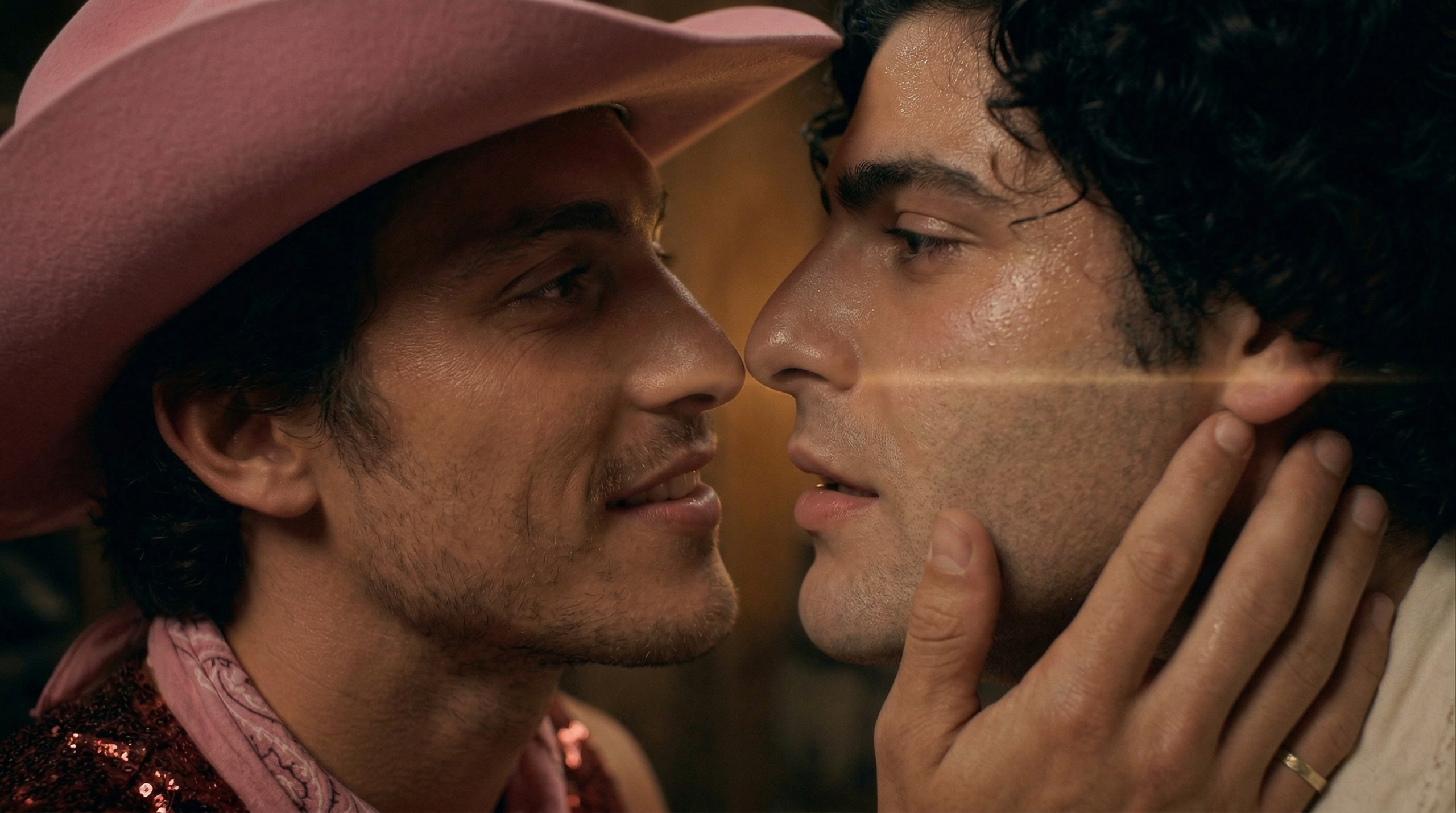
Lucas
Lucas and Jasper
Building the world of the saloon
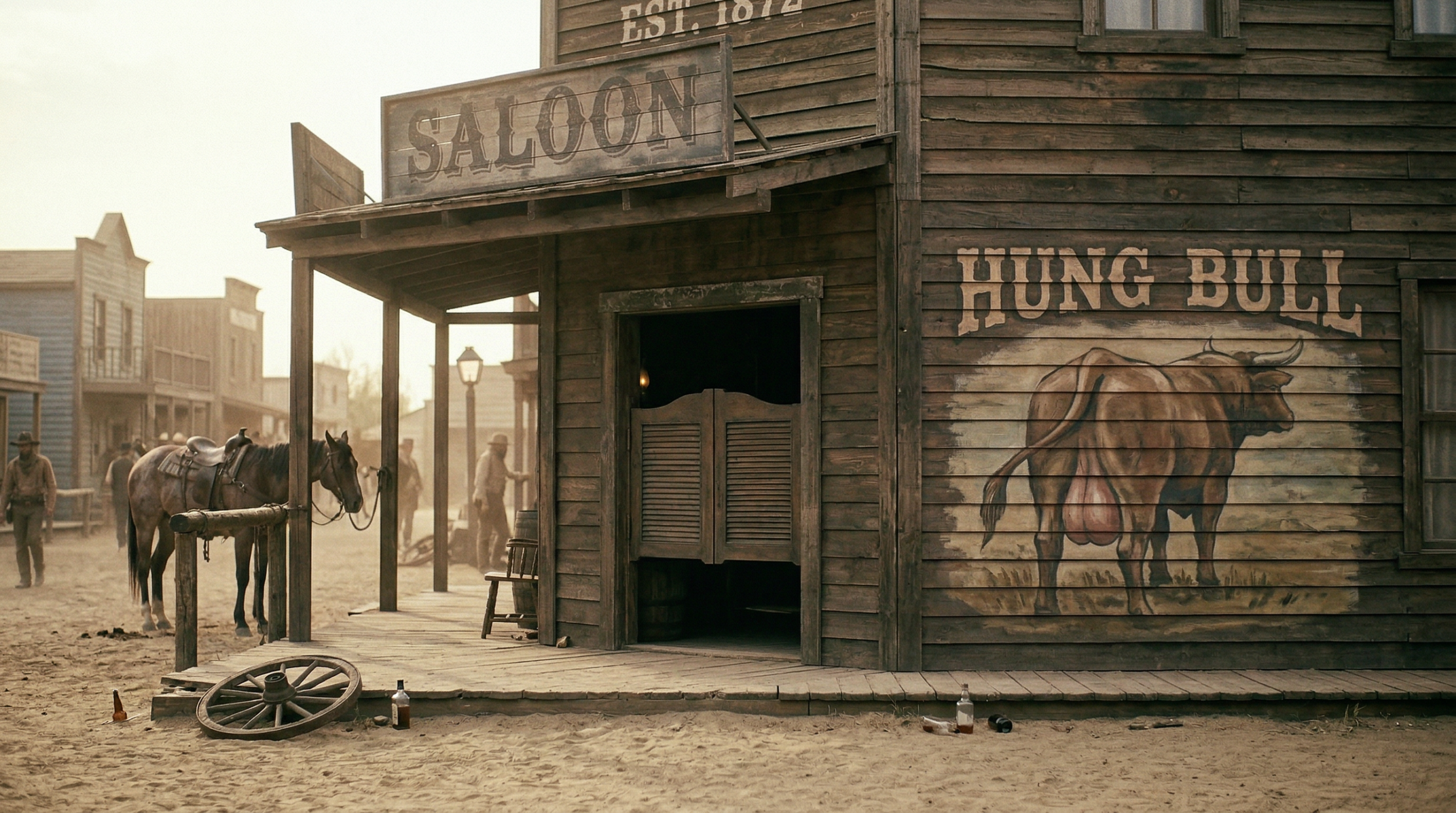
The Hung Bull
The Hung Bull
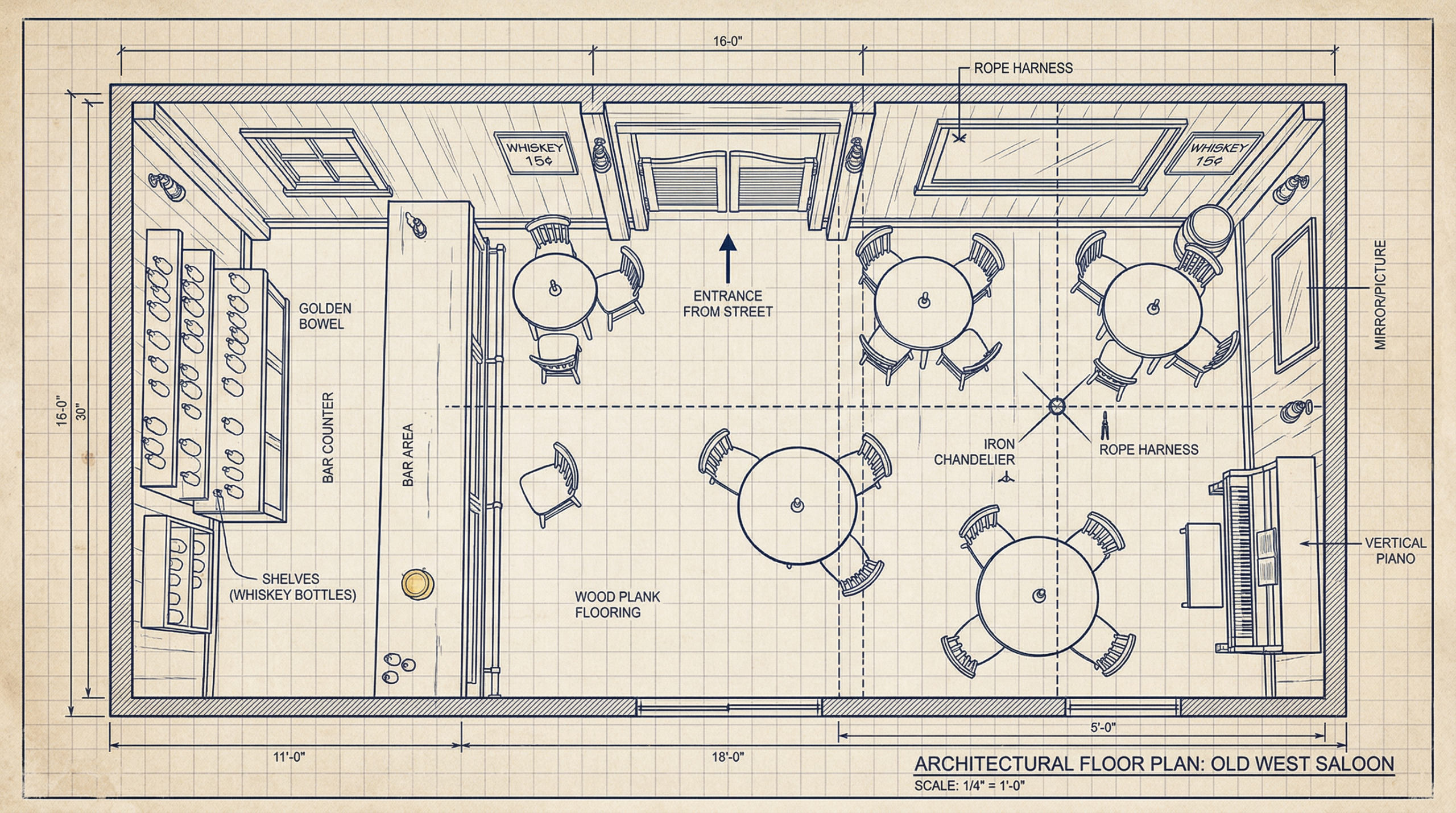
Hung Bull Blueprint
Hung Bull Blueprint
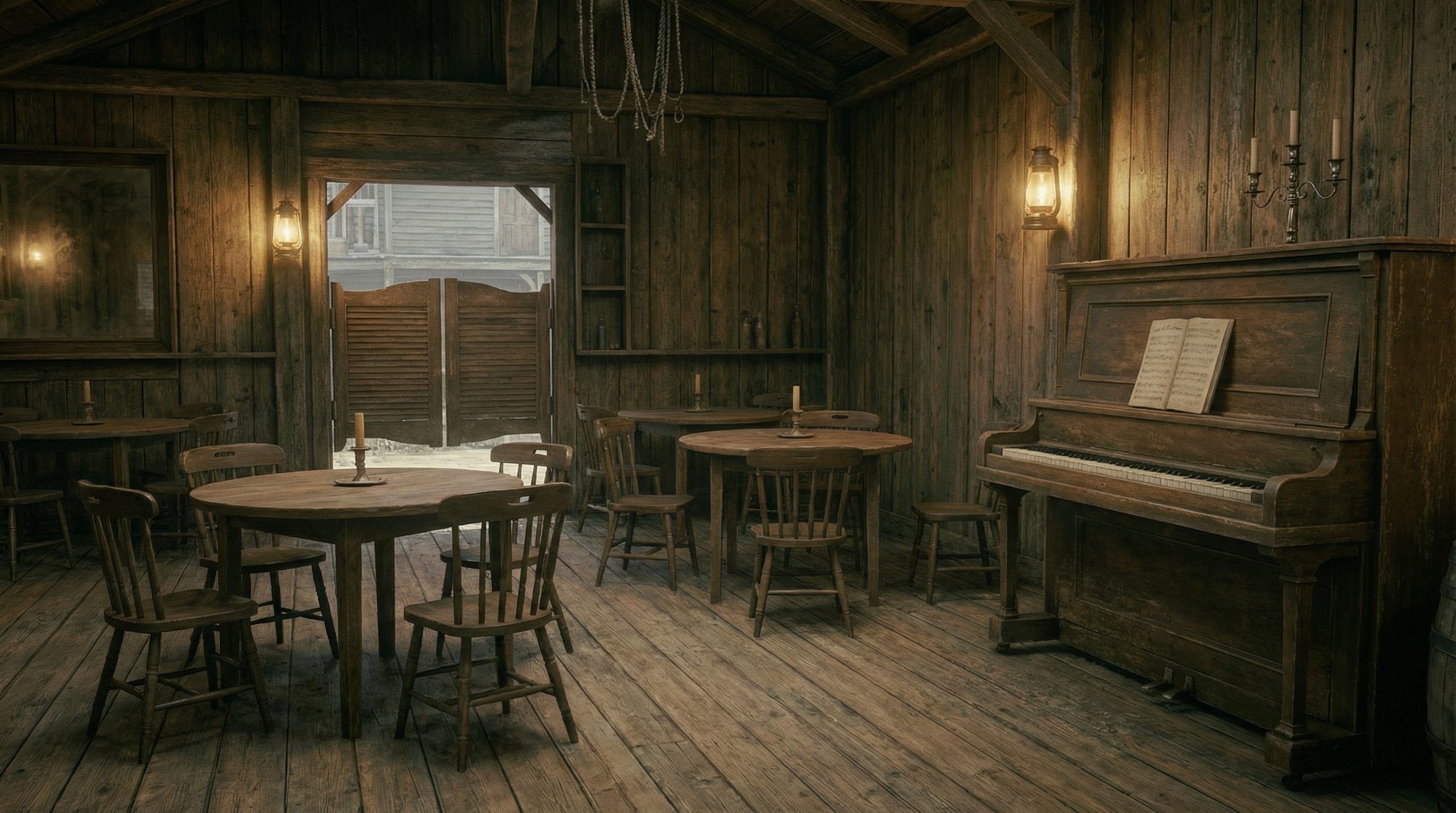
Hung Bull Interior
Hung Bull Interior
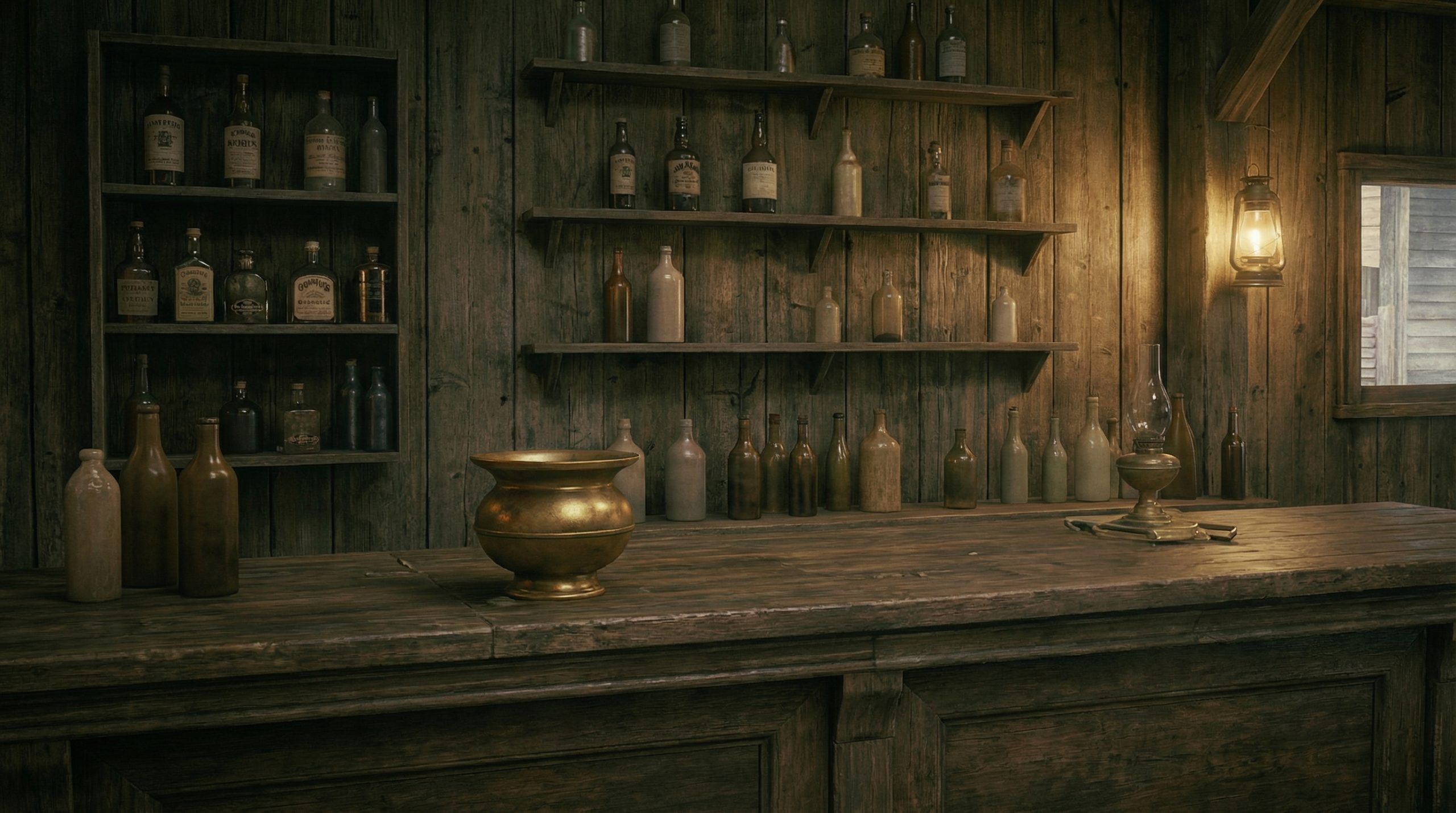
Hung Bull Bar Counter
Hung Bull Bar Counter
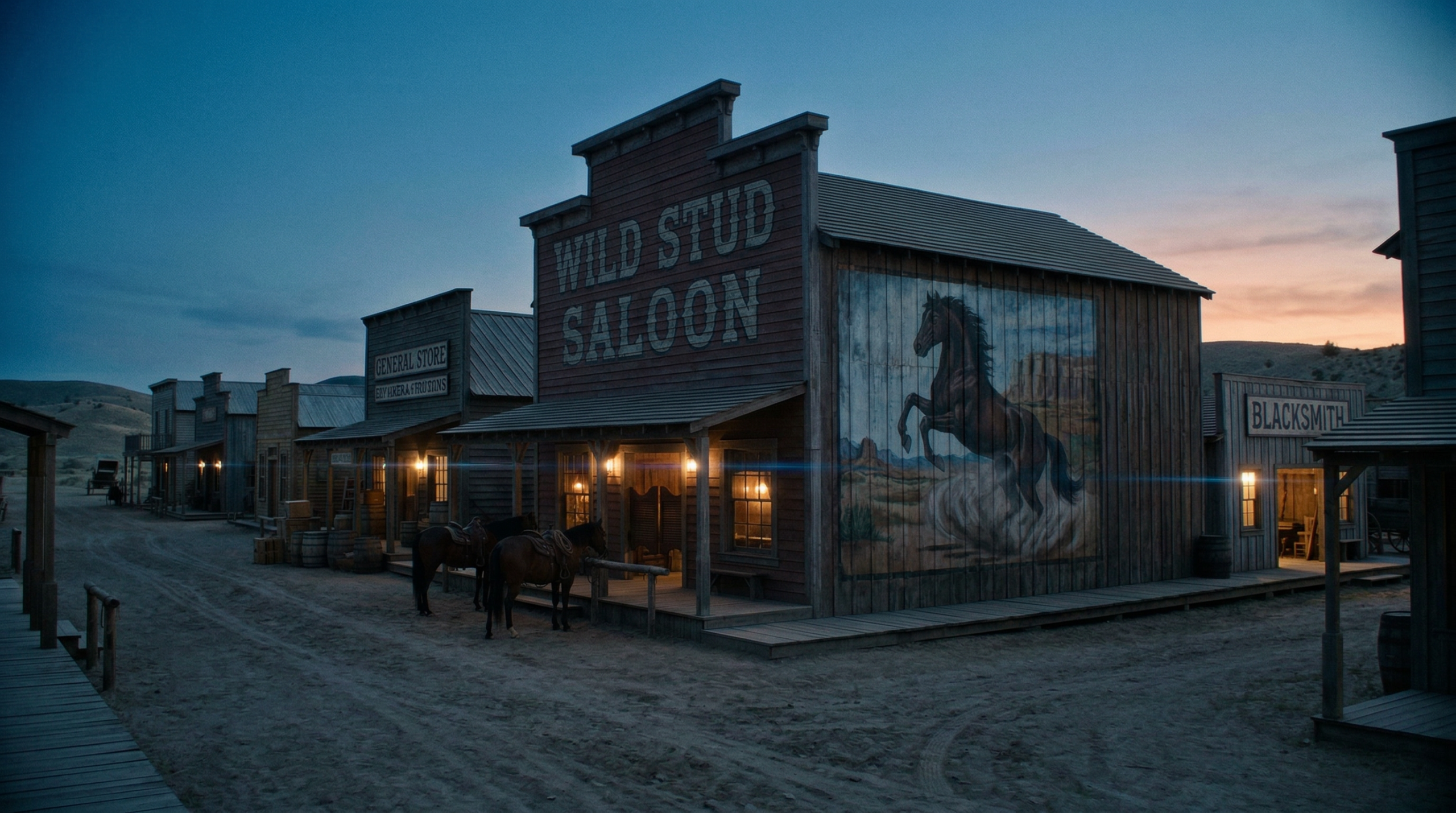
The Wild Stud
The Wild Stud
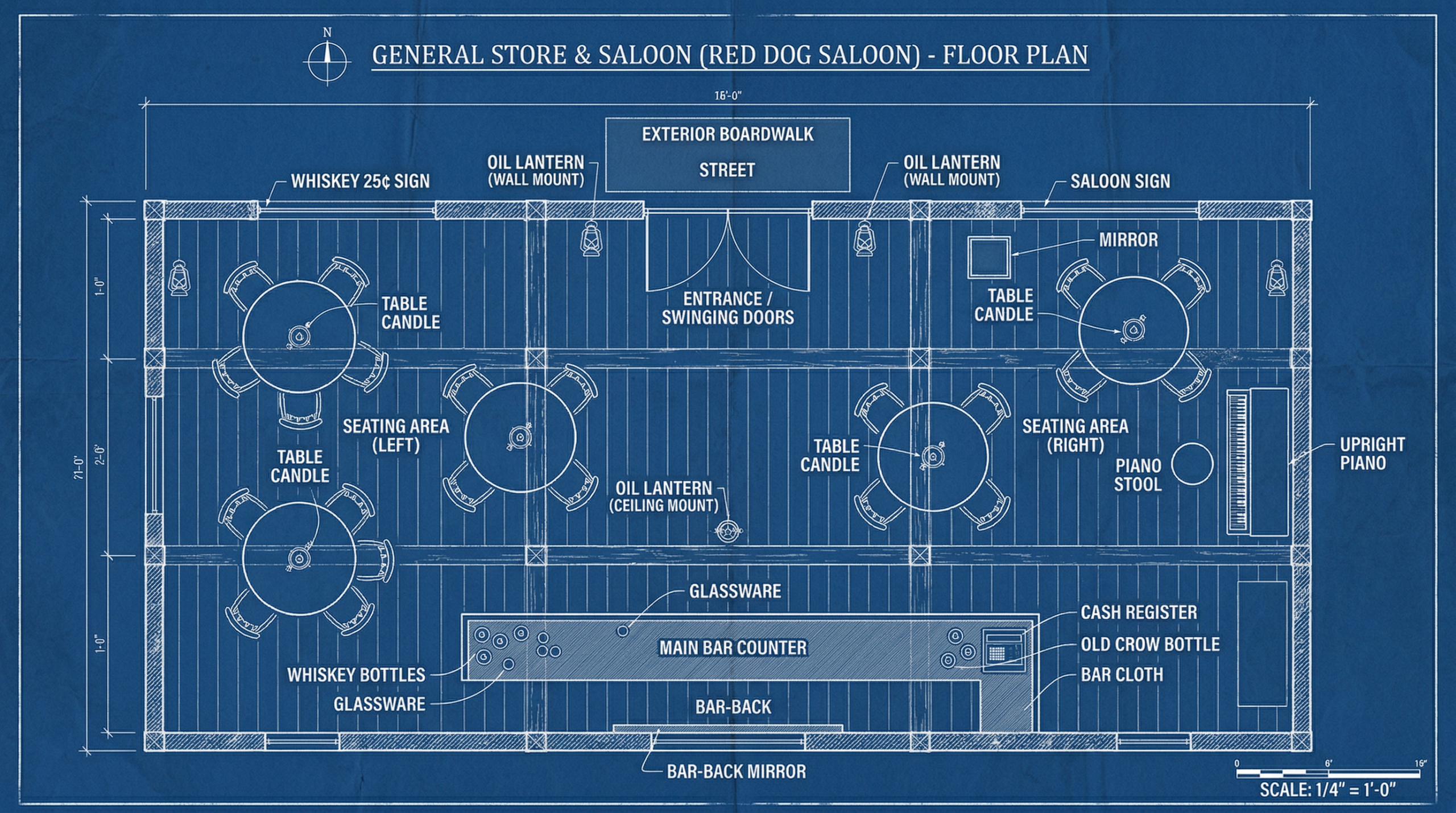
The Wild Stud – Blueprint
The Wild Stud – Blueprint
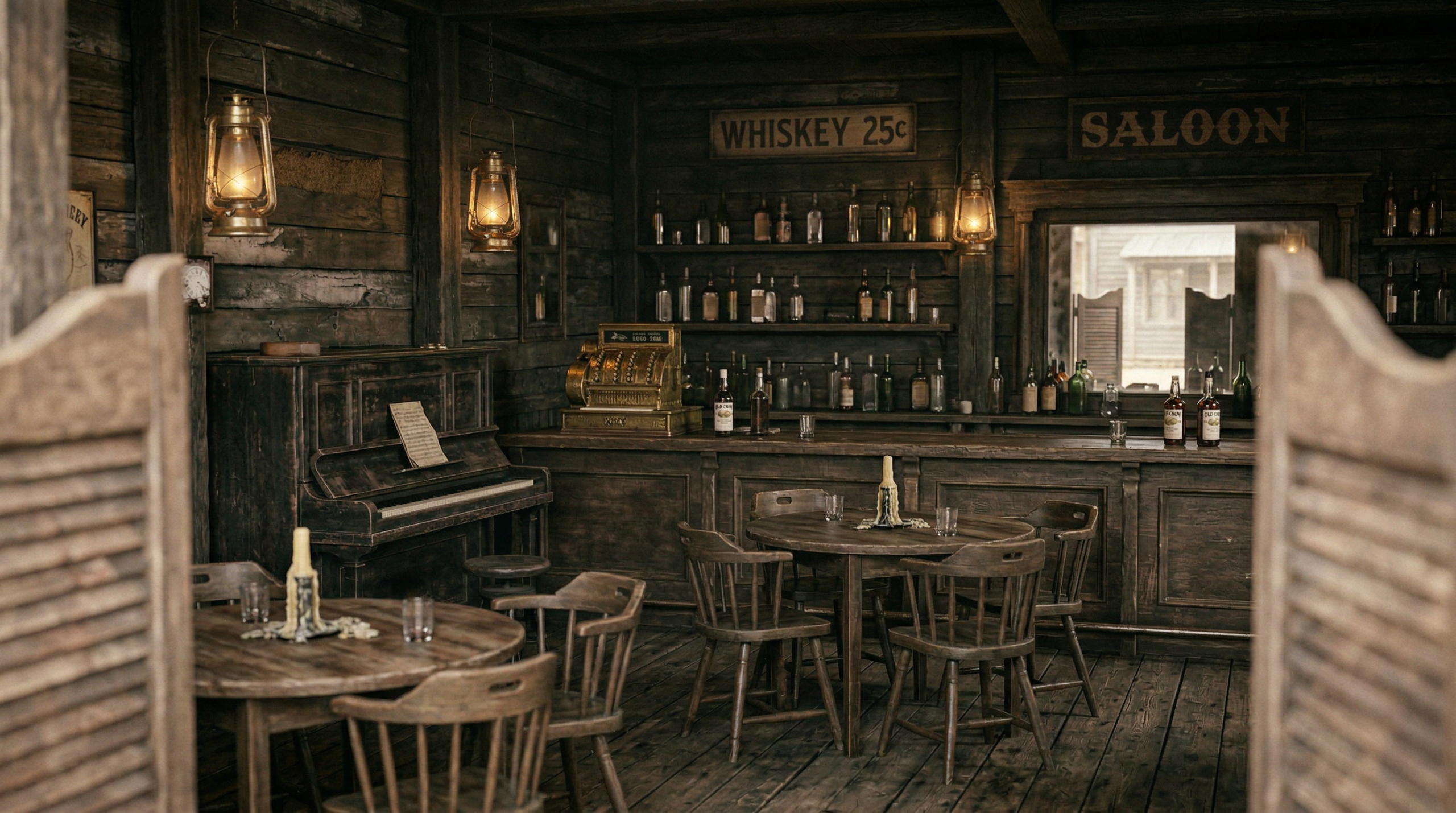
The Wild Stud – Interior
The Wild Stud – Interior
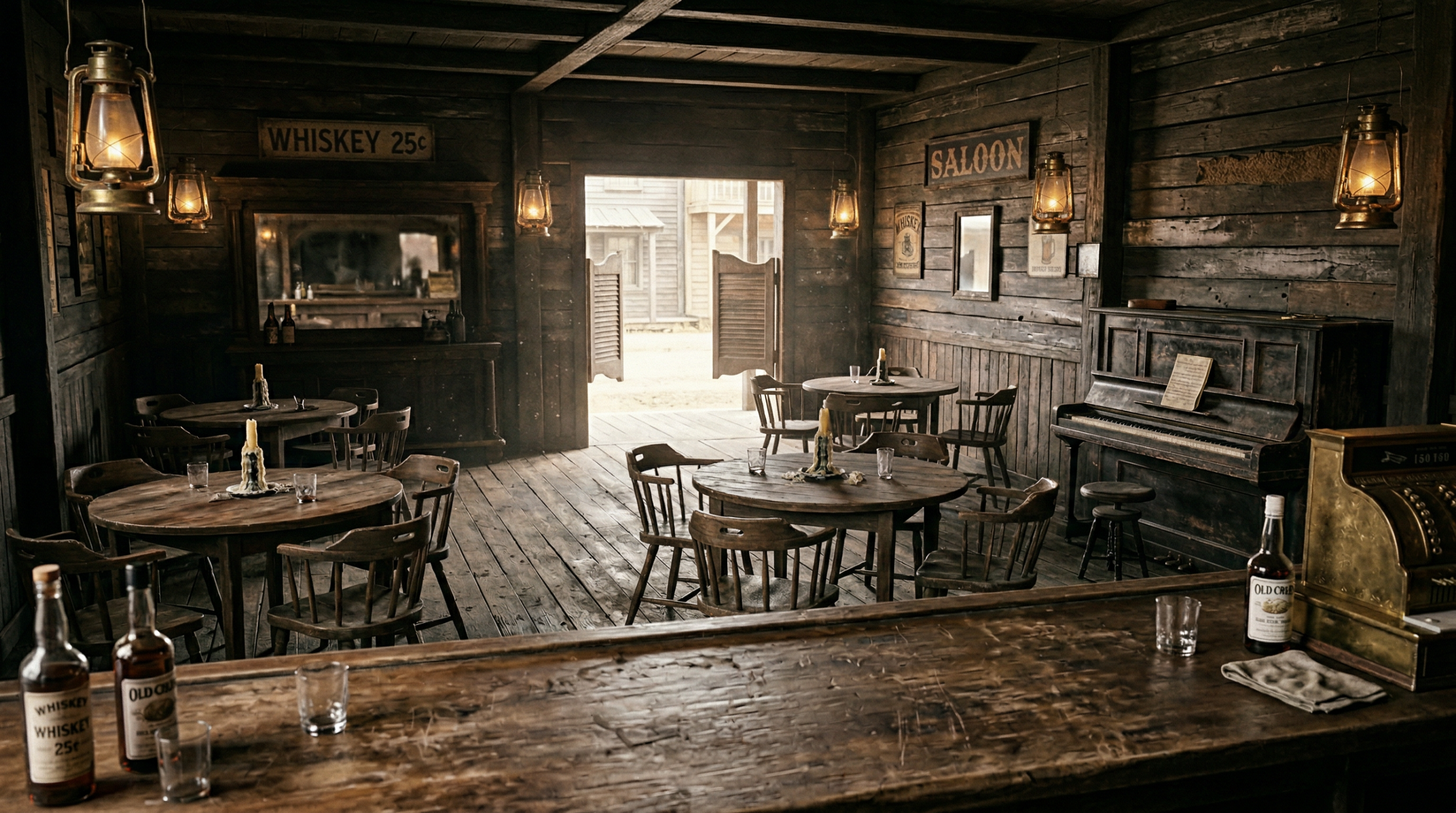
The Wild Stud – Interior
The Wild Stud – Interior
From blueprint to atmosphere
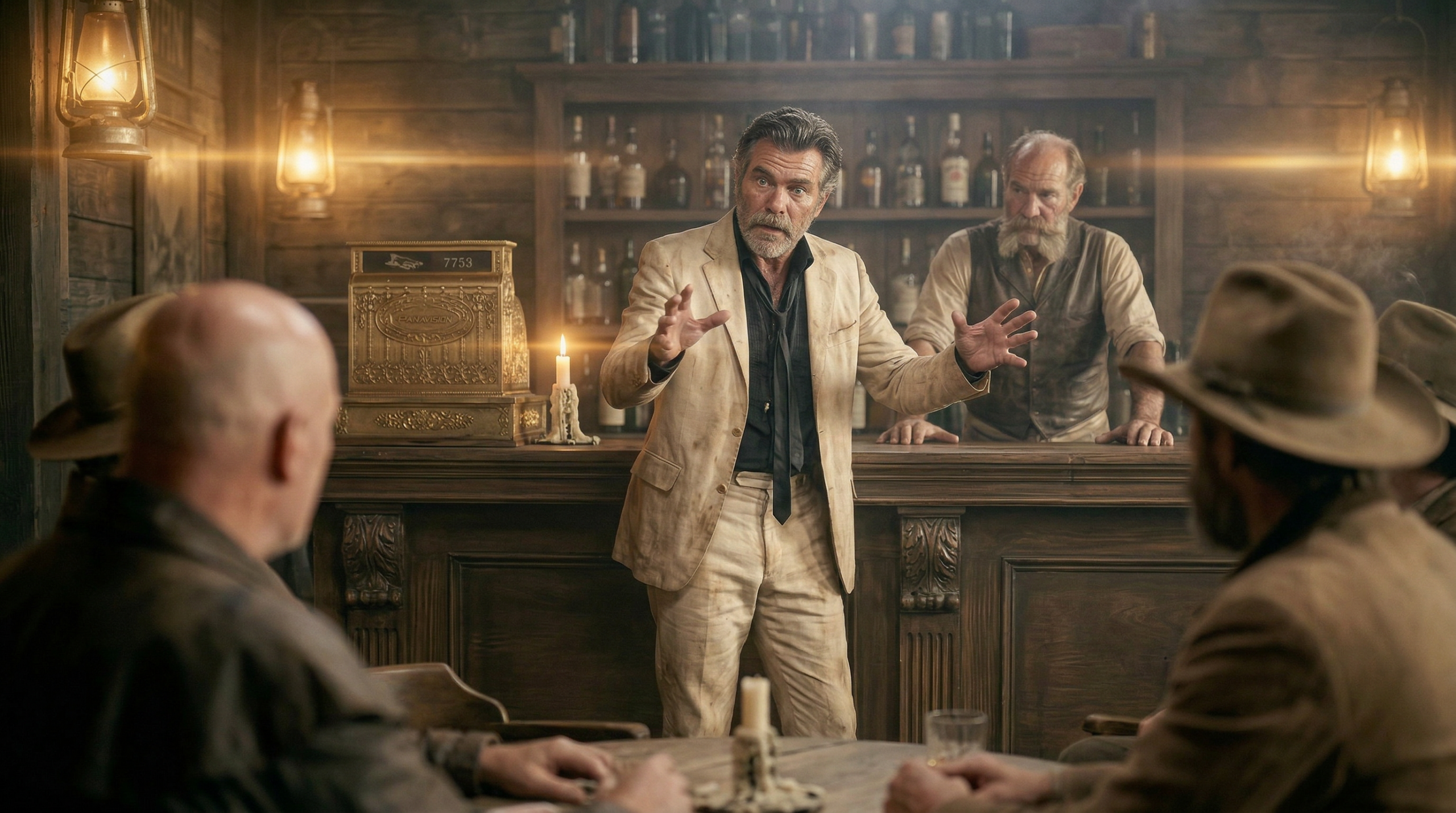
Silas at the Wild Stud
Silas Telling his Story at the Wild Stud
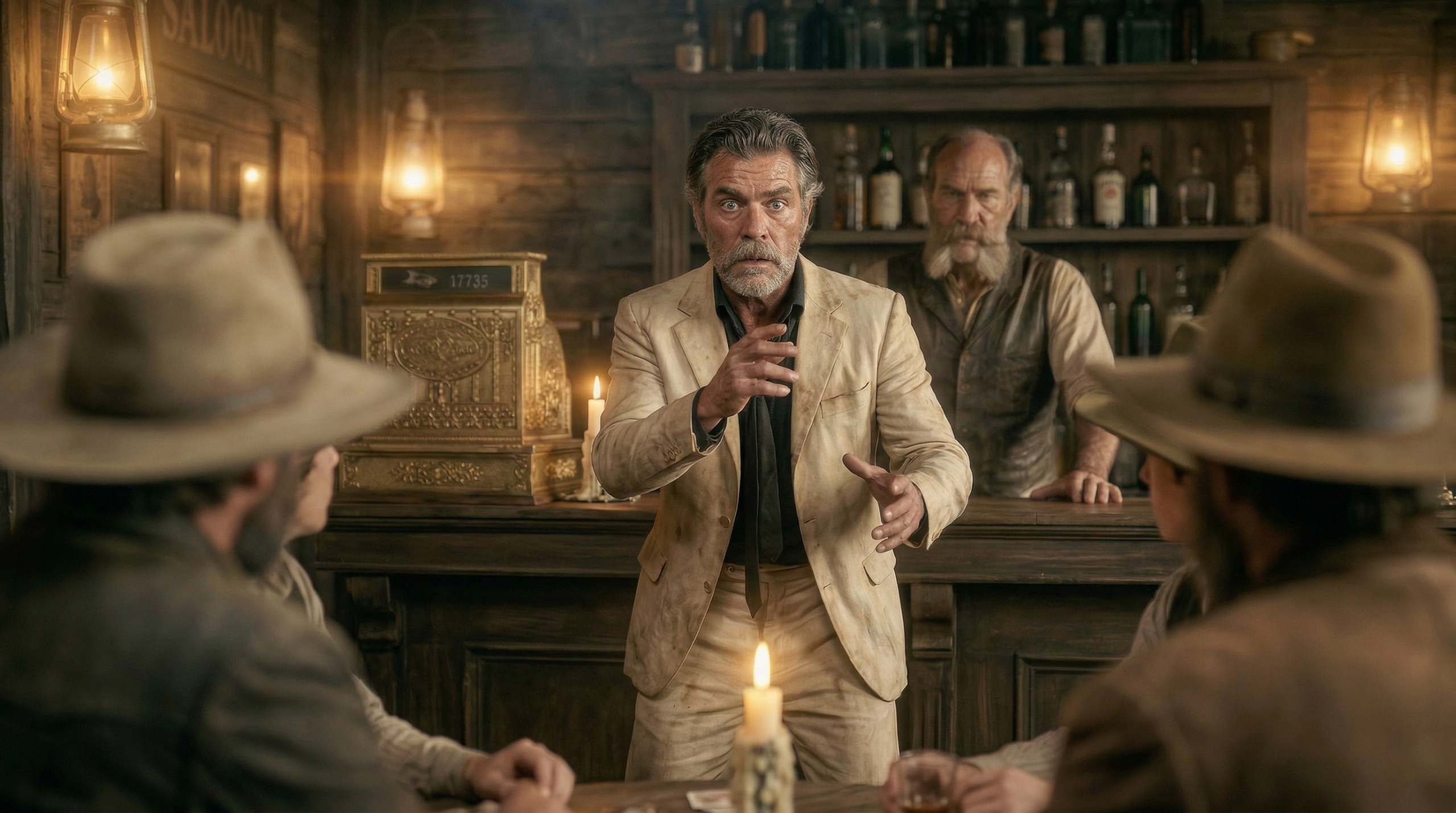
Silas at the Wild Stud
Silas Telling his Story at the Wild Stud
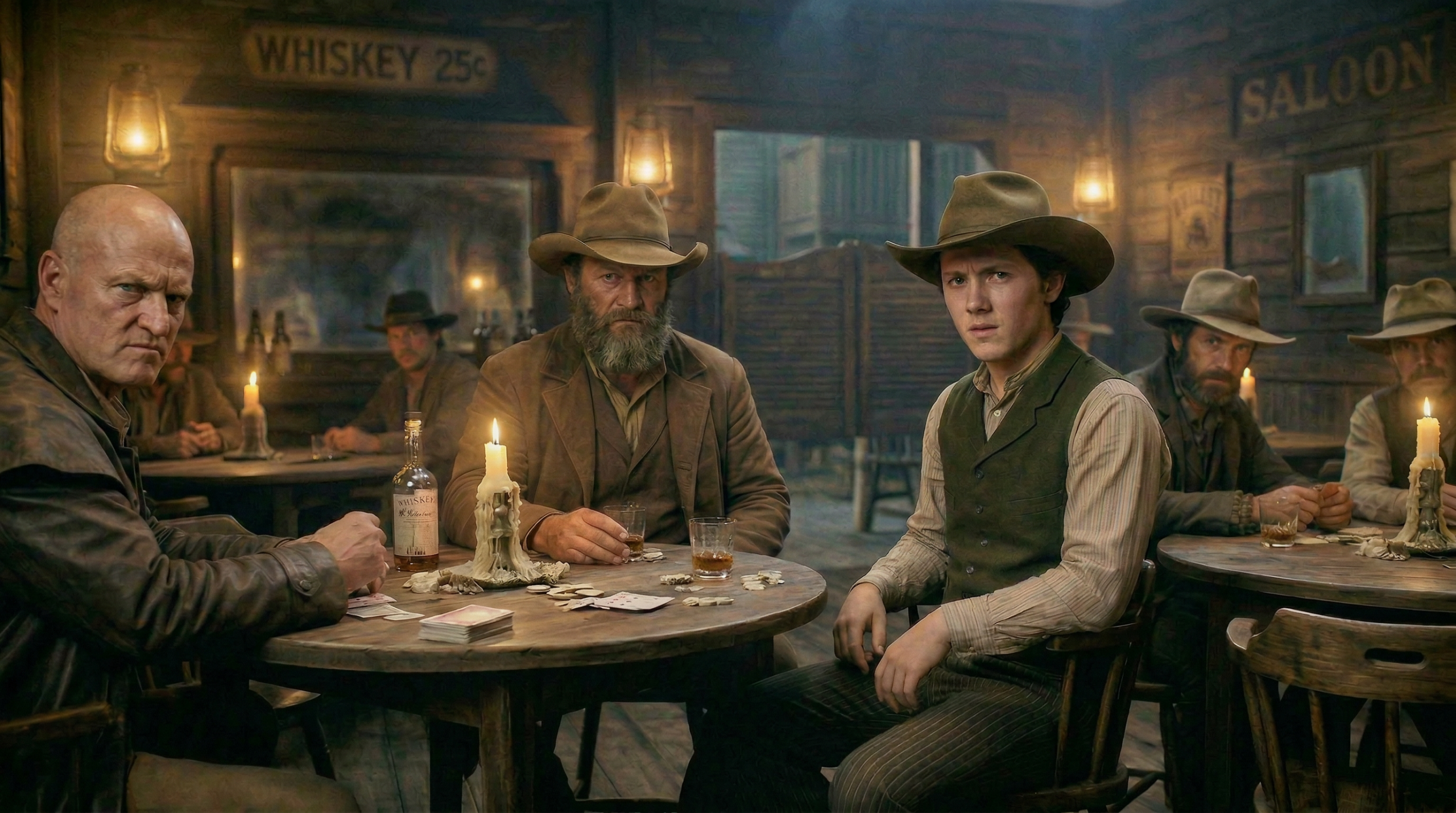
The Wild Stud
The Patrons at the Wild Stud
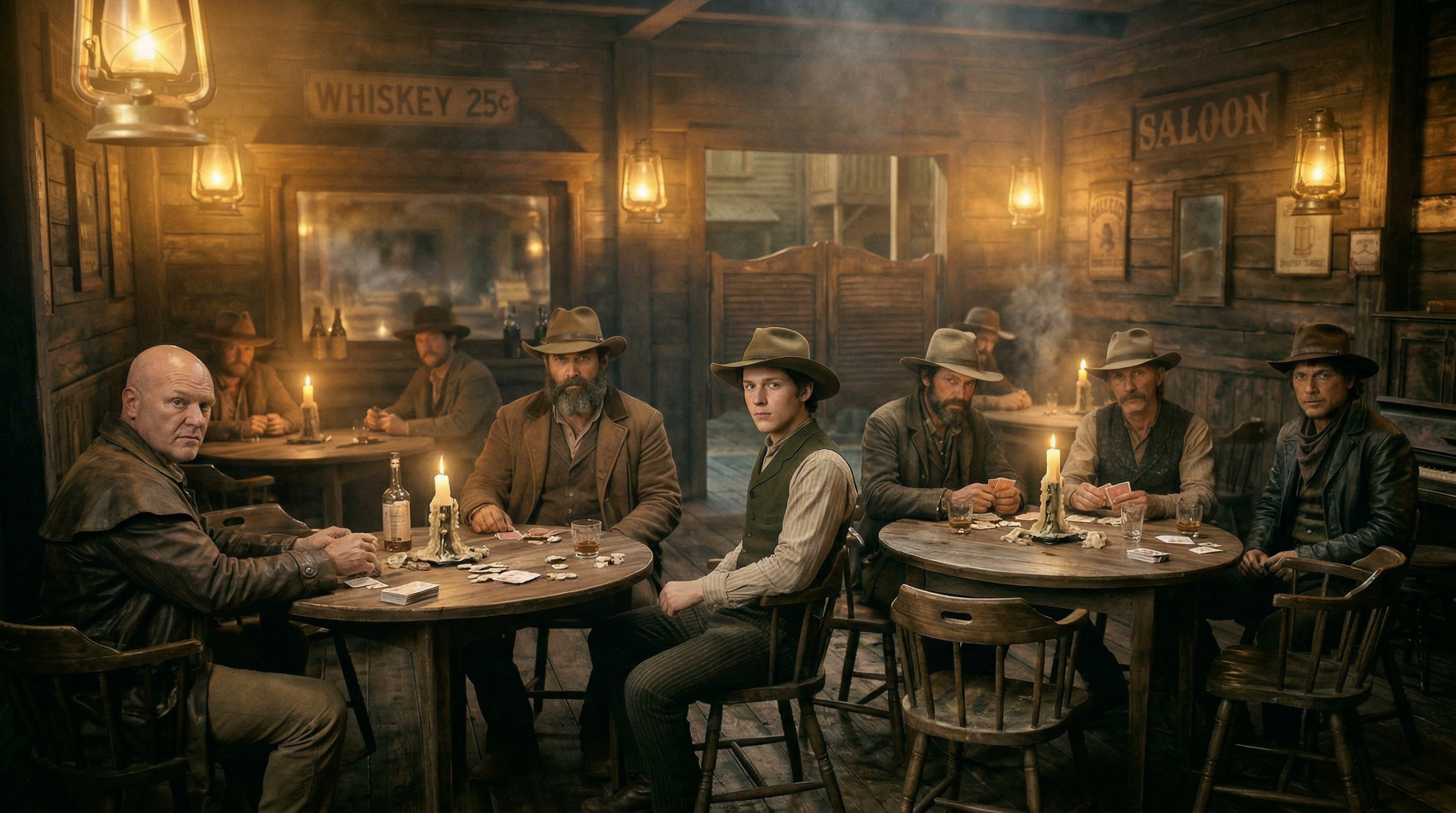
The Wild Stud
The Patrons at the Wild Stud
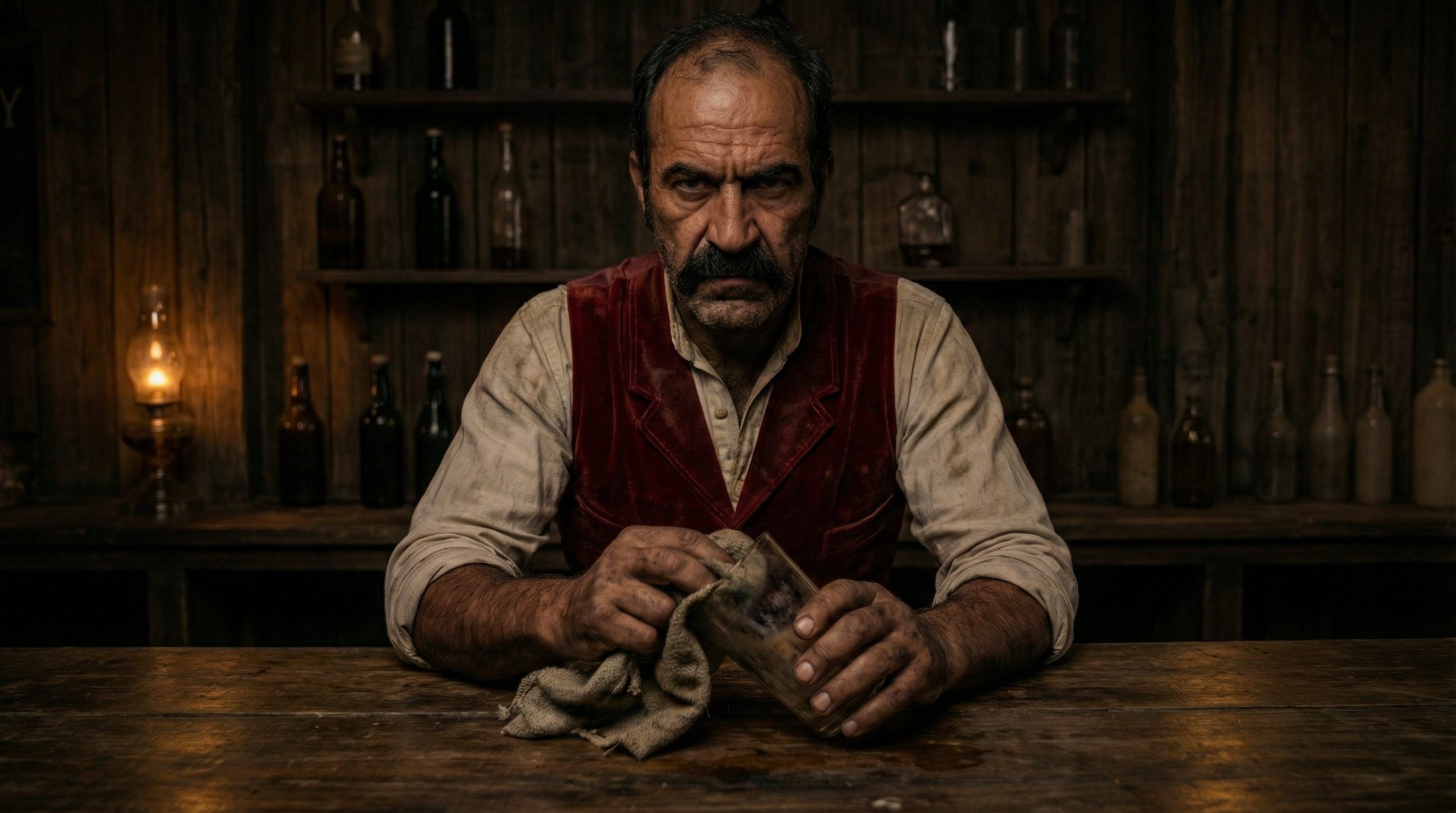
The Hung Bull
The Barman at the Hung Bull
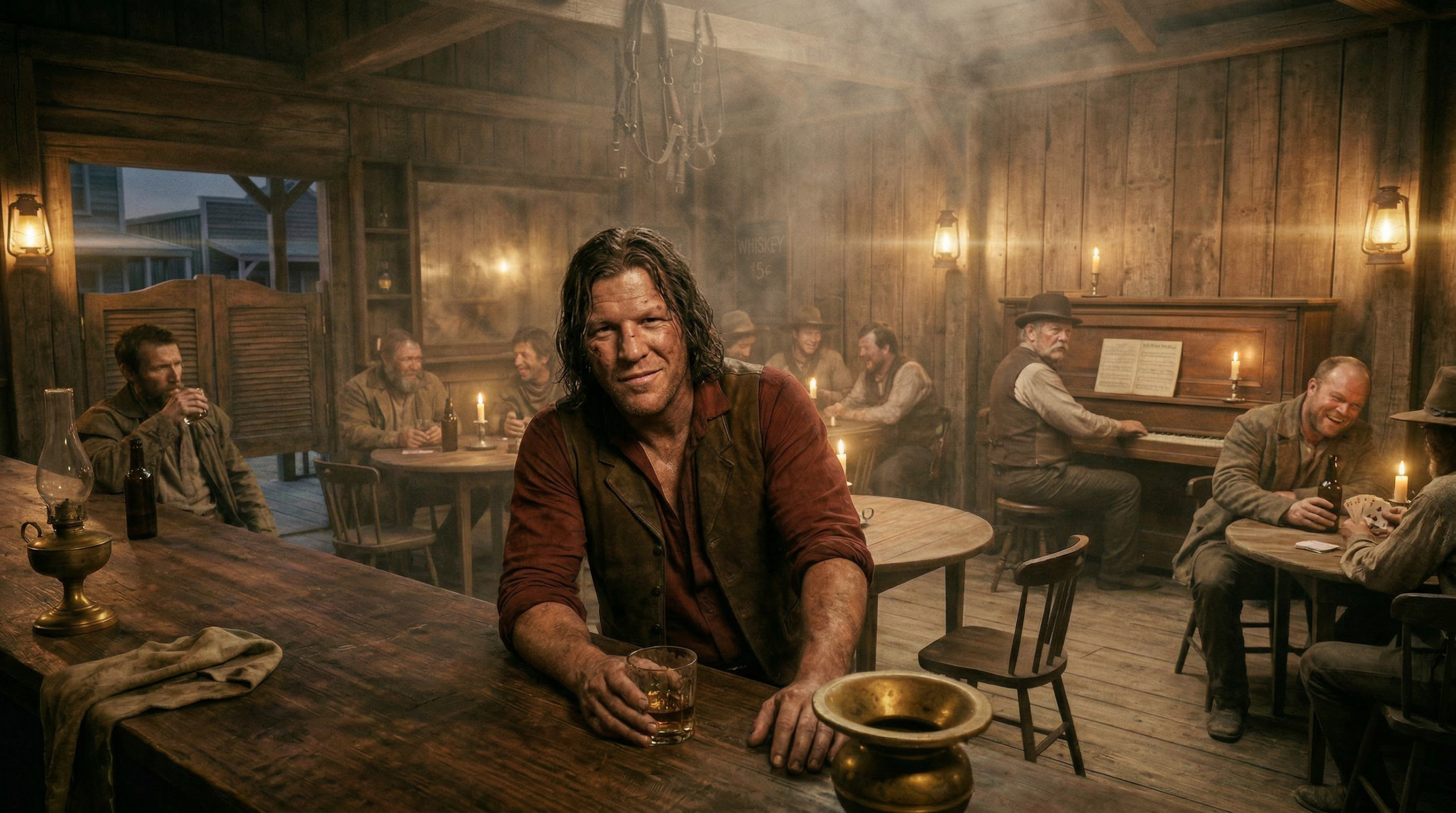
The Hung Bull
Mad Dog and the Patrons at the Hung Bull
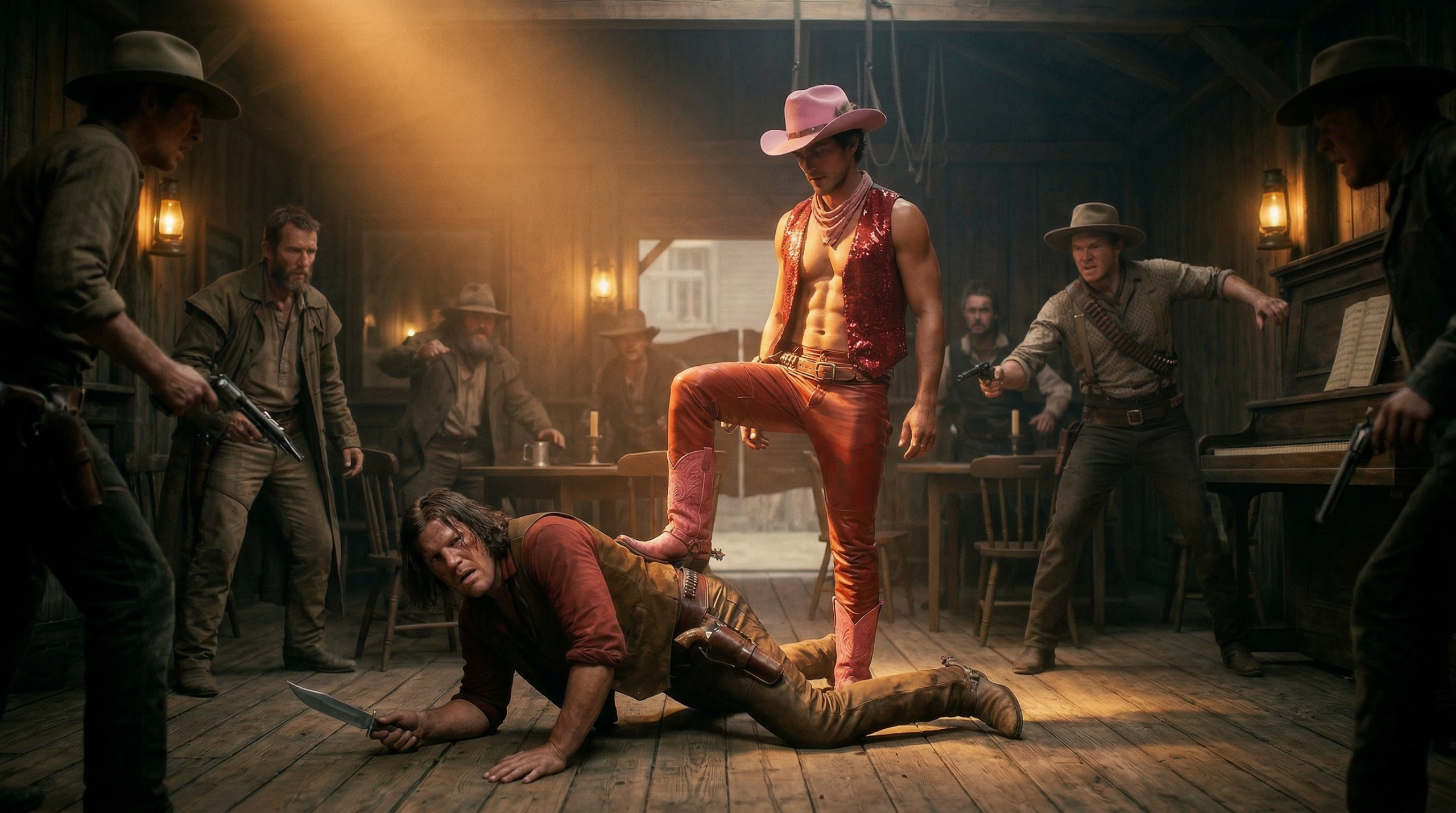
The Hung Bull
Action time at the Hung Bull
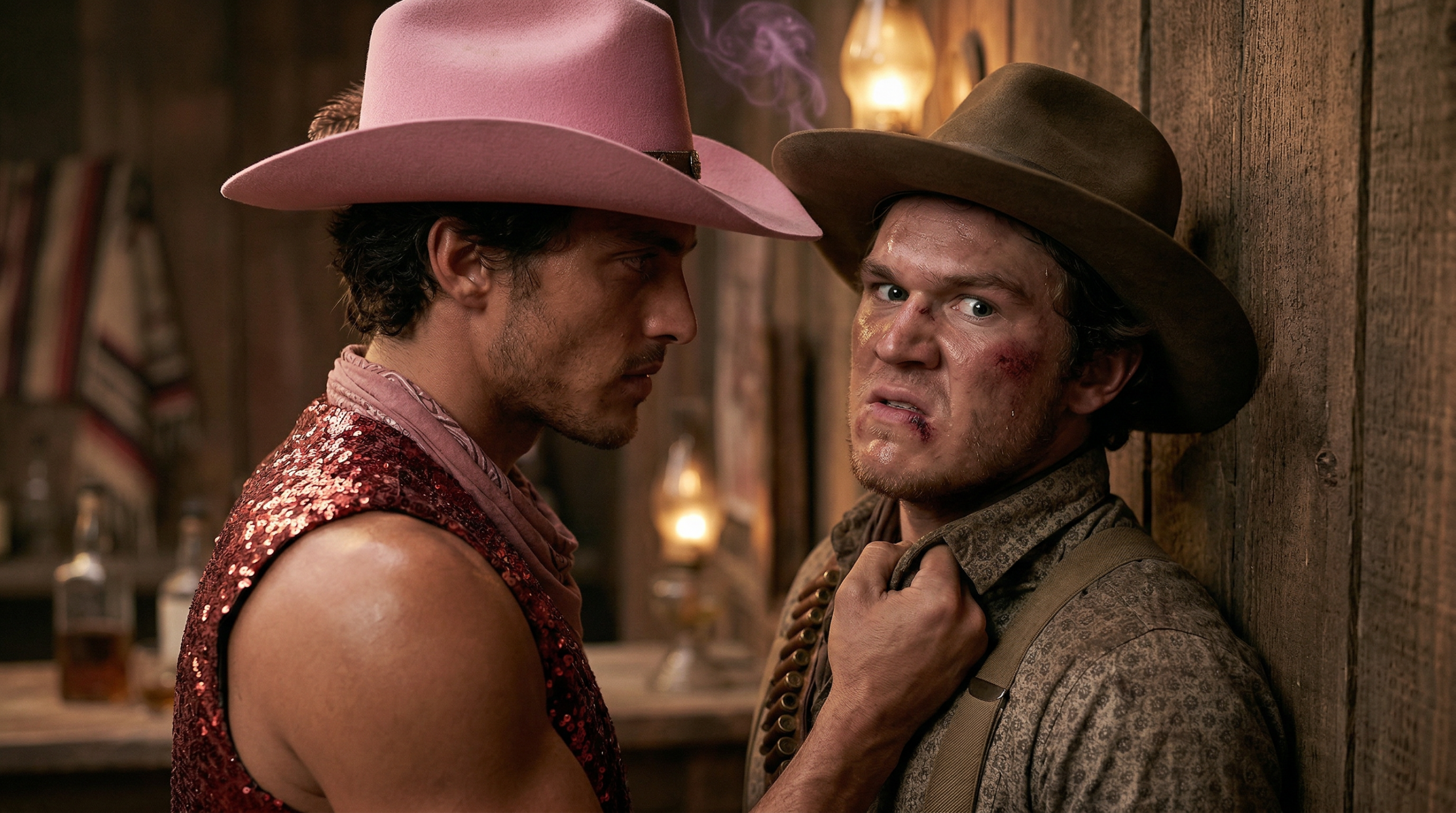
The Hung Bull
Telling Everything at the Hung Bull
The AI workflow behind DRESSPERADO
Building the base images
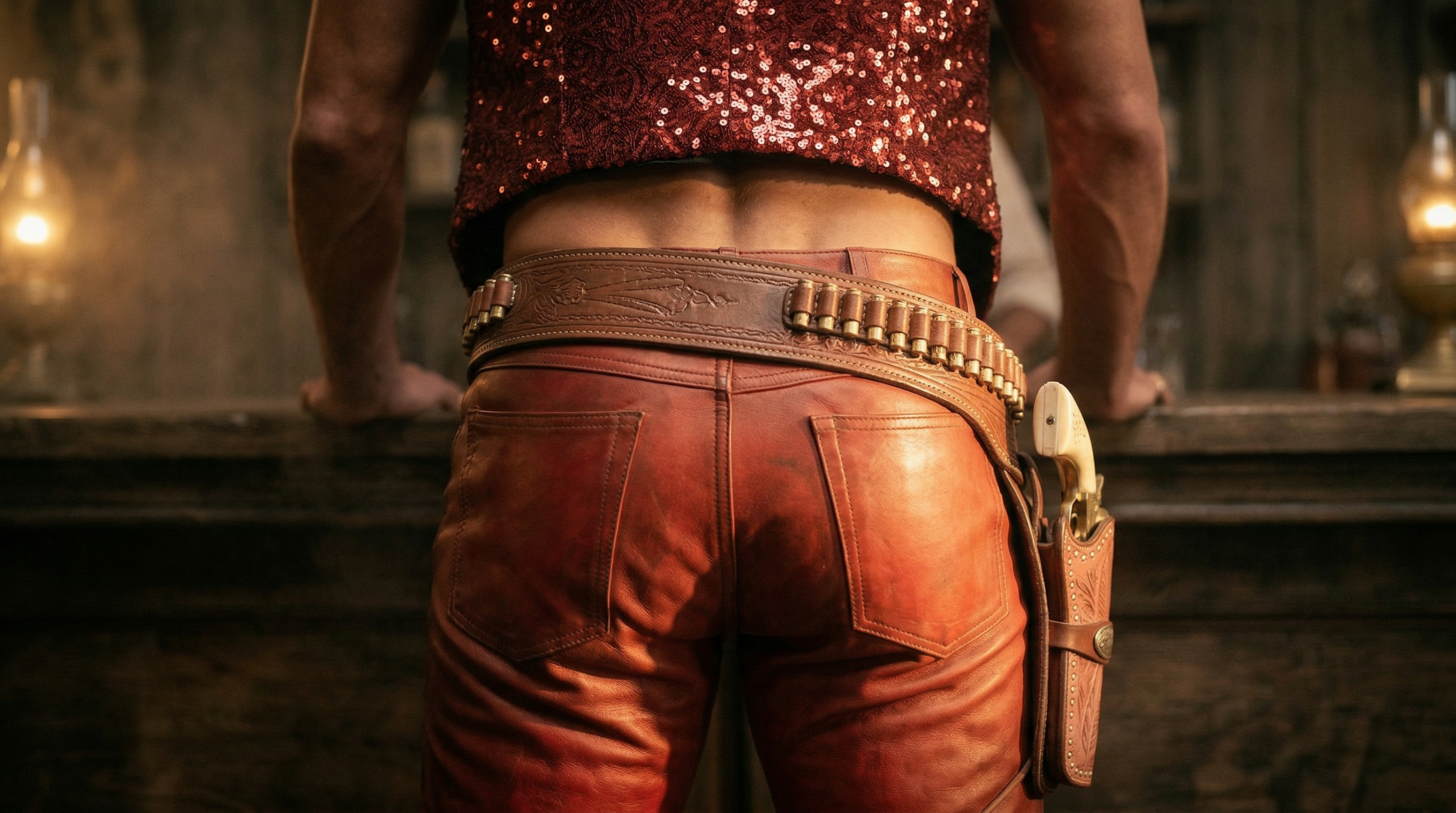
Video generation and performance
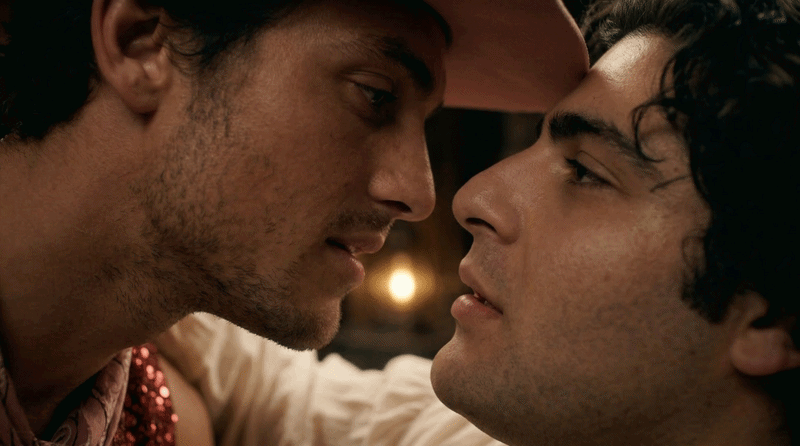
Voices, dialogue, and sound
Music and soundtrack
Thinking like filmmakers, not just image generators
Why this matters to us
Why the process matters
More than parody
-
- An homage.
- A filmmaking exercise.
- A queer intervention.
- And above all, a love letter to myth, style, and cinematic storytelling.